• When encountering a new tea, beginners often feel unsure of where to start. Tea brewing is a learning journey, where understanding aroma, flavor, and intensity takes time. Discovering your favorite taste is part of the process. If you’d like to get it right the first time, consider following our recommendations:


    Brewing Methods, Flavor Profiles, and Tea Pairing

    The equipment you use significantly impacts the tea’s flavor. Here’s a simplified guide:

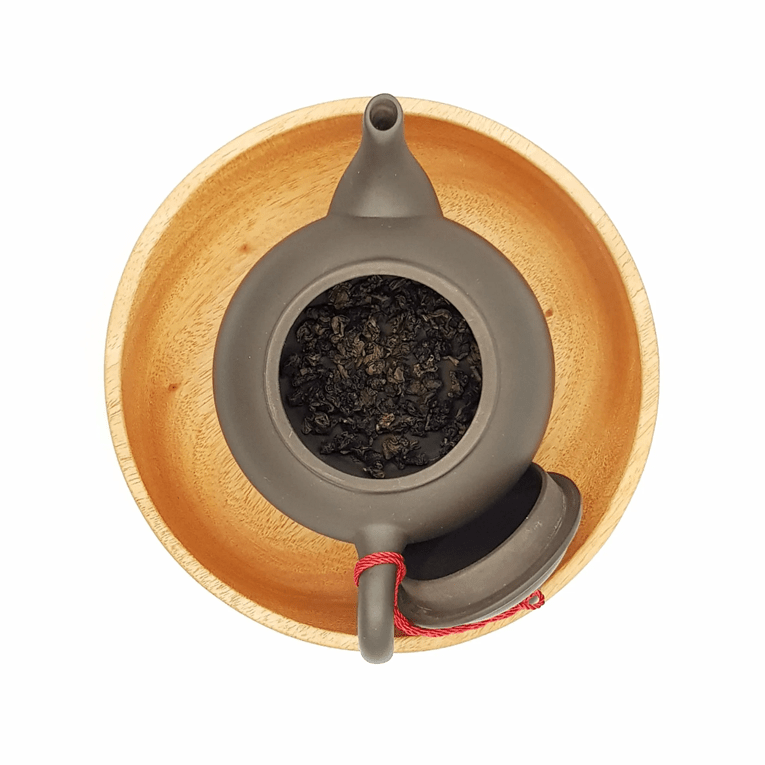
    Clay Teapot (Approx. 140 c.c.)

    • Retains heat well, enhancing aroma but may extract bitterness at high temperatures.
    • Best for oolong and black teas with heavier oxidation or roasting.
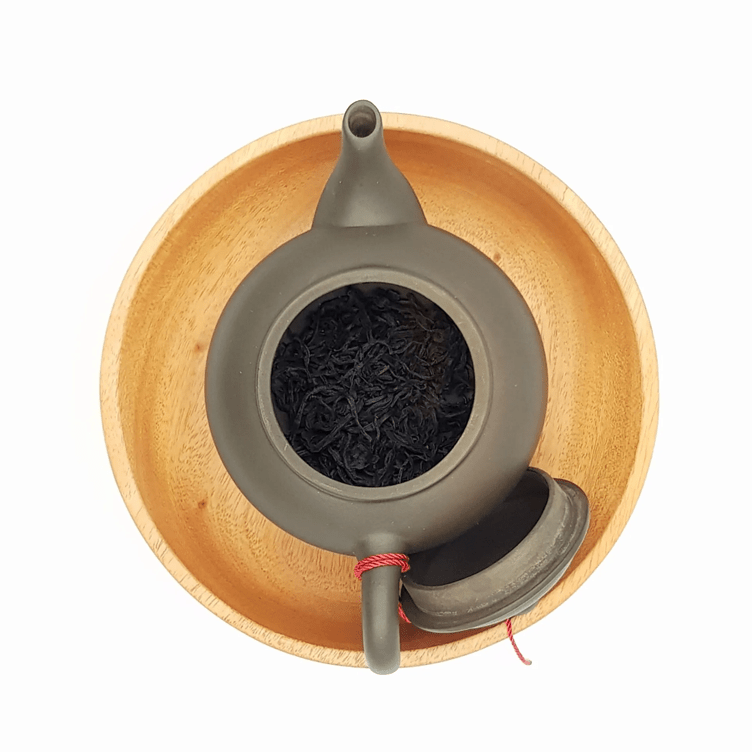
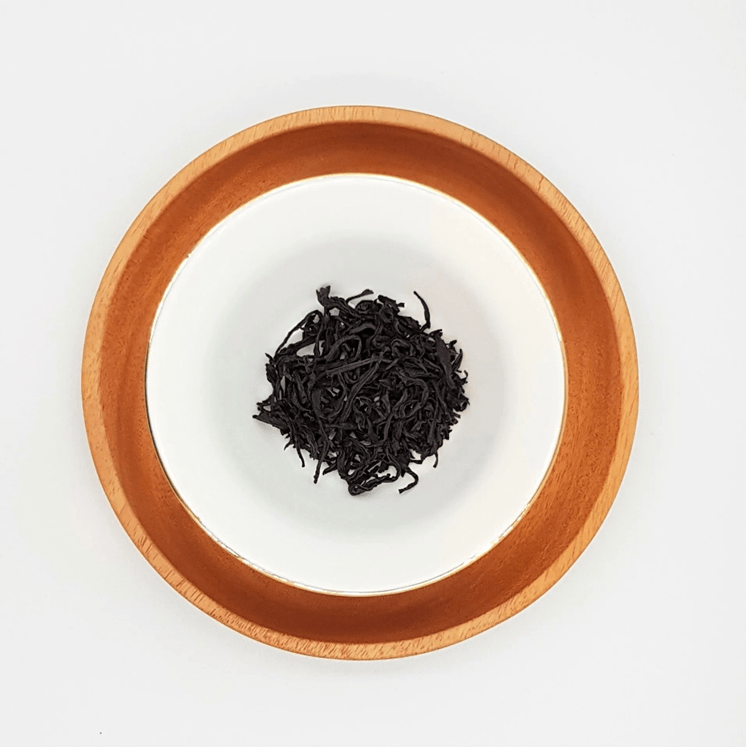
    • For loosely twisted tea leaves: spread 2–3 layers across the teapot base.
    • For rolled tea leaves: spread 1 layer across the teapot base.
    Gaiwan (Covered Bowl, Approx. 140 c.c.)

    • Dissipates heat quickly, making it suitable for green tea and lightly oxidized or lightly roasted oolong teas.
    • Lower temperatures allow delicate sweetness and aroma to emerge while minimizing bitterness.
    • Leaf amounts are similar to those for clay teapots.
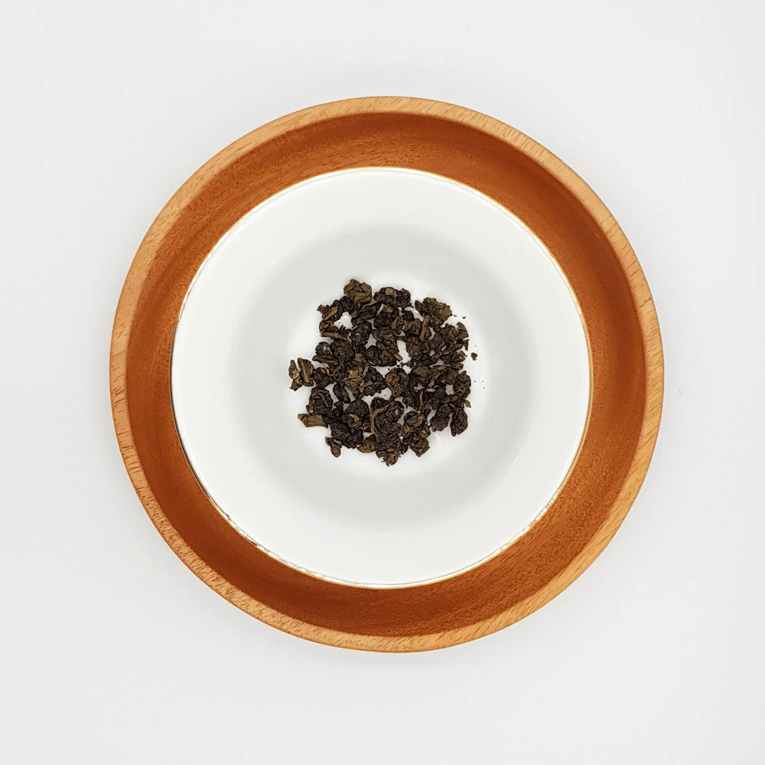
    Mug (Full capacity approx. 250 c.c., Recommended: 60% filled or 160 c.c.)

    • Lacks a lid but retains heat moderately due to its thickness.
    • Versatile for all teas, though less optimal for highlighting specific tea characteristics.
    • Convenient for office use.
    • Use 60% water capacity, with 2–3 layers of loosely twisted leaves or 1–2 layers of rolled leaves.
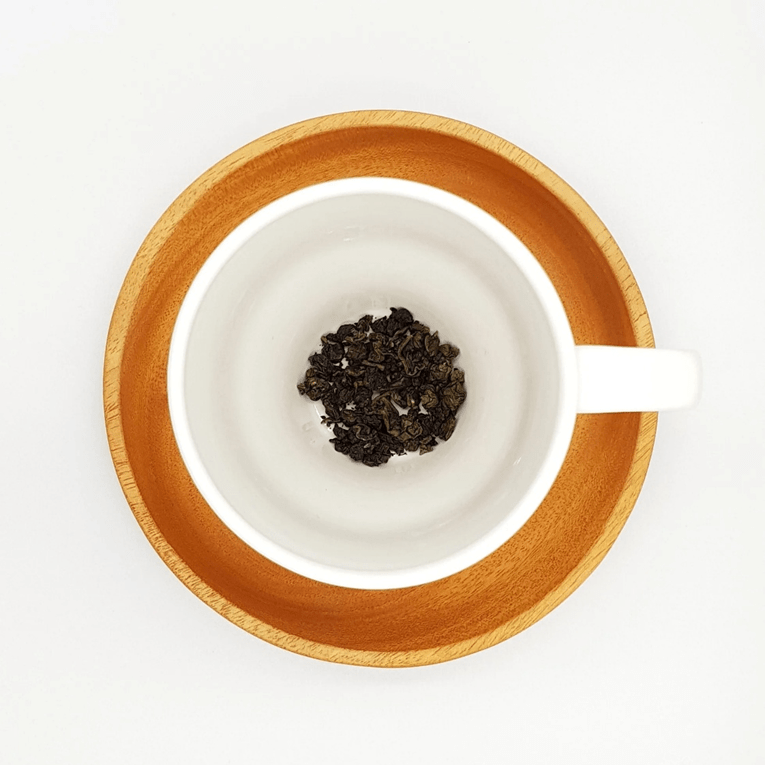
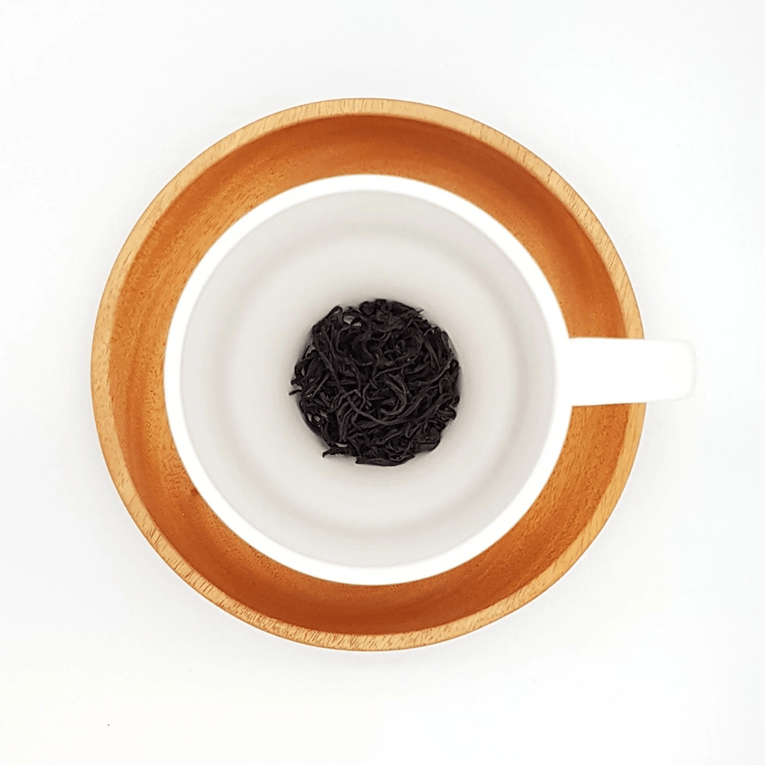
    Large Teapot (Approx. 500 c.c., Recommended: 50% filled or 250–300 c.c.)

    • Use double the leaf amount for mugs, with 50% water capacity.
    • Leaf amounts are the same as for mugs: 2–3 layers of loosely twisted leaves or 1–2 layers of rolled leaves.
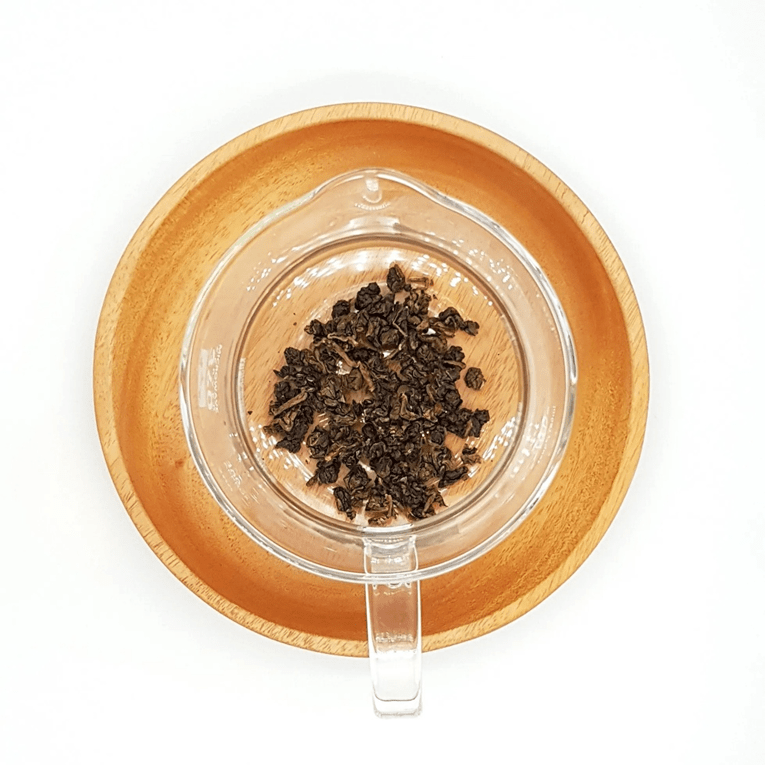
    Brewing Time

    If you’re brewing our teas, start with the app-recommended times for optimal flavor. After 3–4 sessions, you can adjust the timing to suit your personal taste preferences.

    For those not using the app, here’s a general framework to avoid over- or under-brewing (assumes high-quality tea):

    Clay Teapot / Gaiwan / Large Teapot

    • Oolong & Black Teas (5 infusions)
      1st brew: 1:00
      2nd brew: 0:50
      3rd brew: 1:10
      4th brew: 1:30
      5th brew: 2:00
    • Green Teas (3 infusions, typically at 80°C)
      1st brew: 0:40
      2nd brew: 0:30
      3rd brew: 1:00

    Mug

    • Oolong & Black Teas (5 infusions)
      1st brew: 1:20
      2nd brew: 1:10
      3rd brew: 1:20
      4th brew: 1:40
      5th brew: 2:00
    • Green Teas (3 infusions, typically at 80°C)
      1st brew: 0:50
      2nd brew: 0:40
      3rd brew: 1:10

    If all this seems overwhelming, simply use our app for an effortless tea brewing experience!
    1. Open the App and Scan the Tea Package
      • Scan the QR code on the tea package or tea box to access information about the tea type.
    2. Select a Brewing Method
      • Tap “Choose Tea Cup," select “Small Teapot Brewing," and then tap “Start Brewing."
    3. Prepare Your Tea Utensils
      • Gather a teapot, a fairness pitcher (tea decanter), and tea cups.
    4. Measure the Tea
      • Add tea leaves to the teapot, spreading them evenly to cover the bottom layer as shown in the picture (normally 1-2 layers depends on your preference).
    5. Follow the App’s Brewing Steps
      • Pour hot water into the teapot.
      • Tap “START" in the app.
      • Wait until the timer signals the end of the brewing process.
      • Pour the brewed tea into the fairness pitcher.
      • Serve the tea from the pitcher into the tea cups.
    6. Relax and Enjoy
      • Sip your tea, prop up your feet, and read the flavor profile of the tea in the app.
    7. Repeat for Subsequent Brews
      • Continue to brew and enjoy subsequent infusions.

  • Introduction

    Tea Types
    The term “tea type" refers to the variety of the tea plant itself.

    Processing Methods
    Processing methods are developed through experience. Generally, specific teas have fixed production techniques. However, tea farmers or tea masters sometimes innovate by borrowing techniques from other methods, resulting in variations that make categorization more complex.

    Production Regions
    The reputation of production regions accumulates over time. Certain teas become popular due to their origins, and consumers begin associating the tea with its production region. Merchants also use regional names for marketing purposes.


    Last time, we introduced some common Taiwanese teas. This time, we will explore more:

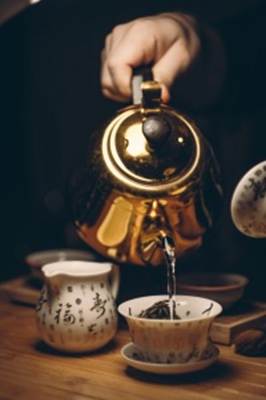
    Photo by NIKOLAY OSMACHKO


    Dong Ding Oolong

    • Initially named after its production region (Dong Ding Mountain, Lugu Township, Nantou County).
    • The oxidation level is around 30%. The tea requires repeated “cloth rolling” during processing and medium-to-heavy roasting.
    • The aroma typically features ripe fruit notes or strong floral fragrances.
    • The tea liquor is rich, sweet, and full-bodied, with a pronounced roasted flavor.
    • Best brewed in tea ware that retains heat well (e.g., teapots).

    Sanxia Bi Luo Chun

    • Named “Bi Luo Chun" (Green Snail Spring) by imperial decree, with “Sanxia" added to distinguish it from its Chinese counterpart.
    • Over 50 years of independent development has resulted in distinct production methods and tea varieties in Taiwan.
    • The aroma typically features notes of mung beans and seaweed.
    • The tea liquor is bright green, clear, fresh, and sweet.
    • Not suitable for high-temperature or prolonged brewing; best brewed in tea ware that dissipates heat quickly (e.g., gaiwan).

    Taiwan Tie Guan Yin

    • Named after its processing method, with tea made from Tie Guan Yin tea varieties referred to as “Zheng Cong Tie Guan Yin."
    • Originates from China’s Anxi Tie Guan Yin but has evolved into a distinctly Taiwanese style.
    • Processing involves light withering (oxidation level around 15–30%), followed by repeated roasting and rolling to create a unique throat sensation known as “Guan Yin Yun."
    • The aroma often features roasted notes and ripe fruit fragrances.
    • The tea liquor is robust and full-bodied, slightly astringent with a lingering sweetness, and may have a hint of fruity acidity.
    • Highly durable for multiple brews, best brewed in tea ware that retains heat well (e.g., teapots).

    Ruby Red Tea

    • Named after its variety, officially known as Taiwan Tea No. 18, bred by the Taiwan Tea Research and Extension Station in 1999.
    • Known for its unique cinnamon and mint fragrance.
    • Produced as strip-shaped tea.
    • The tea liquor is rich, smooth, and full-bodied, with a distinctive flavor often called “Taiwan fragrance."
    • Not suitable for prolonged brewing, as it may become overly astringent or too strong.

    (To be continued…)


  • Tea Types

    The term “tea type" refers to the variety of the tea plant itself.

    Processing Methods

    Processing methods are developed through experience. Generally, specific teas have fixed methods of production. However, sometimes tea farmers or tea masters innovate by borrowing techniques from other tea-making methods, resulting in variations that make it even harder to identify specific processing methods.

    Production Regions

    Production regions gain recognition over time. Certain teas become popular due to their origins, and consumers start associating the tea with its production region. This association is sometimes reinforced through marketing.


    In general, tea names are often tied to all three aspects: variety, processing method, and production region. However, processing methods usually have the most significant influence. To help everyone better understand the general outline of Taiwanese teas, here is a summary:


    Baozhong Tea

    • Named for its processing method, with an oxidation level of around 8–12%.
    • Typically produced as strip-shaped tea.
    • Renowned for its fragrance, often characterized by an elegant floral aroma.
    • The tea liquor is sweet, mellow, and lively.
    • Best brewed in tea ware that dissipates heat quickly (e.g., gaiwan).

    Jin Xuan Oolong

    • Named for its variety, officially known as Taiwan Tea No. 12, also called Jin Xuan or “No. 27," bred by the Taiwan Tea Research and Extension Station in 1981.
    • Produced as ball-shaped tea.
    • Known for its milk candy aroma or pineapple fragrance.
    • The tea liquor is typically smooth and silky.

    Cui Yu Oolong

    • Named for its variety, officially known as Taiwan Tea No. 13.
    • Produced as ball-shaped tea.
    • Known for its wild ginger flower and osmanthus flower fragrance.
    • The tea liquor is rich, sweet, and flavorful.

    High Mountain Oolong

    • Named for its high-altitude production region, referring to oolong tea grown in tea gardens located at altitudes above 1,000 meters.
    • Produced as ball-shaped tea.
    • Known for its elegant floral aroma.
    • The tea liquor is flavorful, rich in minerals, and lively.
    • Highly durable for multiple brews.

    Oriental Beauty

    • Named for its cultivation and processing method, Oriental Beauty’s distinctive ripe fruit and honey aromas are the result of “tea leafhopper" bites, a phenomenon known as “tea leafhopper influence."
    • Also called “Peng Feng Tea" or “White Tip Oolong."
    • Produced as strip-shaped tea.
    • Known for its ripe fruit aroma and the “tea leafhopper-induced" honey fragrance.
    • The tea liquor has a unique, rich flavor, with a relatively heavy oxidation level.
    • Limited production.
    • Best brewed in tea ware that dissipates heat quickly (e.g., gaiwan).

    (To be continued…)

  • As a medium, tea has deeply integrated with culture throughout different eras in China and around the world. It is akin to a harmonious rhyme, even permeating the spiritual dimensions of various cultures. Taking Chinese tea culture as an example:

    Different Aspects of Tea Culture

    1. Confucianism: Advocates that tea enhances etiquette and self-cultivation.
    2. Taoism: Emphasizes the natural and simplistic qualities of tea, aligning with the philosophy of “governing by doing nothing unnatural."
    3. Buddhism: Believes tea aids in meditation and mindfulness, promoting the concept of “Tea and Zen as one."
    4. Poetry: Numerous works combine tea-drinking culture or praise tea, such as:
      • Tang Dynasty – Lu Tong’s “Seven Bowls of Tea":
        “The first bowl moistens my throat and lips,
        The second bowl dispels my loneliness.
        The third bowl searches my dried entrails,
        Finding the words of five thousand scrolls…
        The seventh bowl—I can take no more!
        I only feel a light breeze arising beneath my arms."
        This poem vividly describes the uplifting and refreshing experience of tea.
      • Tang Dynasty – Bai Juyi’s “Boiling Mountain Spring Tea":
        “Sitting to sip the clear, cool water,
        Watching as the fine dust boils away.
        No way to send a bowl,
        To share with a tea-loving friend."
        This poem conveys the deep connection between tea and friendship, as well as the leisurely life of tea-drinking amidst serene landscapes.
      • Song Dynasty – Su Shi’s “Drawing Water and Brewing Tea":
        “Fresh water needs lively fire to brew,
        Drawn from the fishing stone for its clarity.
        One cup washes away the sorrows of the ages,
        Immersed in moonlight after waking from sleep."
        Su Shi regarded tea-making as an art, expressing his meticulous approach to tea and the transcendental peace it brought.
      • Yuan Dynasty – Zhao Mengfu’s “Tea Poem":
        “On a cold night, tea replaces wine for a guest,
        The bamboo stove boils as the fire begins to glow.
        Such an ordinary cup is rare to find,
        Half filled with clear joy, half with emptiness."
        This poem compares tea to wine, illustrating the serenity and pleasure tea brings.
      • Ming Dynasty – Tang Yin’s “Tea Tasting Painting":
        “Fragrance splits from dew on flowers,
        Water drawn from the spring among rocks.
        Sitting before a purple clay pot,
        Feels like conversing with sages."
        Tang Yin likened tea tasting to engaging with sages, reflecting the spiritual essence of tea culture.

    Impact and Significance

    • Art and Philosophy: Tea integrates with poetry, calligraphy, music, and painting, becoming a symbol of spiritual life.
    • Health and Wellness: Tea is regarded as a natural, healthy beverage with numerous benefits.
    • Social Function: Tea houses served as vital venues for cultural exchange and social interaction in ancient China.

    The history of Chinese tea and culture bears witness to tea’s evolution from a medicinal plant to a global beverage, becoming a crucial emblem of Chinese civilization and fostering the diversified development of tea cultures worldwide.

  • Tea Plucking

    Tea plucking involves harvesting new shoots from the tea plant, also known as “fresh tea leaves" or “raw tea material." There are two methods: manual plucking and mechanical harvesting. Depending on the leaves collected, the harvest can include a bud and one leaf, a bud and two leaves, or a bud and three leaves. Care must be taken to avoid damaging the leaves, as this affects the quality of the tea.


    Withering

    Also called “moisture reduction," this process involves allowing the tea leaves to lose some moisture. During withering, the leaves release aromatic compounds. The time and temperature of withering depend on the type of tea being produced. Once the desired level of oxidation is achieved, withering is stopped.

    • Methods:
      • Sun Withering (or hot air): Uses heat to promote moisture loss.
      • Indoor Withering: Conducted indoors to continue moisture reduction after sun withering.
    • Effects: Reduces the weight, volume, and hardness of the leaves, promotes chemical reactions, and develops unique aromas and flavors.

    Stirring (or Tossing) & Oxidation

    For partially oxidized teas, tossing redistributes moisture within the tea leaves, reducing stem moisture. Stirring also damages the cell walls of the leaves, enhancing the enzymatic oxidation of polyphenols, catechins, and oxidases, thereby controlling the degree of oxidation.


    Fixation (Sha Qing)

    Fixation halts withering and oxidation by applying high heat to deactivate enzymes in the leaves. This process eliminates the raw vegetal odor and develops the characteristic tea aroma.


    Resting and Rehydration

    After fixation, the leaves are covered with a damp cloth to redistribute moisture, making them pliable and reducing breakage during rolling. This process can also enhance honey-like and ripe fruit notes through post-oxidation.


    Rolling

    Rolling shapes the tea leaves into curled forms using rolling machines. This process ruptures the leaf cells, allowing the juices to adhere to the surface, enhancing flavor extraction during brewing. For black tea, rolling further breaks down cell structures, facilitating reactions between polyphenols, oxidases, and catechins, creating distinctive color and flavor.


    Supplemental Oxidation (Optional)

    If the desired oxidation level is not achieved after rolling, the leaves can be stacked to complete the oxidation process required for specific teas.


    Drying

    Drying halts oxidation, reduces the tea’s moisture content to below 5%, and shrinks its size, making it easier to store and transport. Common drying methods include:

    • Charcoal Drying
    • Gas Hot Air Drying

    Ball Rolling (Optional)

    A unique step for spherical oolong teas. Semi-dried leaves are heated to 60°C, wrapped in cloth to form balls, and rolled under a rolling machine. This process is repeated several times until the leaves are shaped into compact spheres.


    Roasting

    Roasting removes residual moisture, extends shelf life, and stabilizes quality. It eliminates raw odors and undesirable off-flavors, while enhancing or modifying the tea’s aroma through the Maillard reaction, contributing to unique flavors.

  • In a narrow sense, tea refers to dried tea leaves made from the leaves of the tea plant, processed through oxidation or roasting.


    Types of Tea Based on Oxidation Levels

    1. Qing (or Greenish) Tea
      • Oxidation Level: Semi-oxidized (18–60%)
      • Characteristics: Tea liquor ranges from golden to brown. Commonly referred to as “oolong tea," this category emphasizes a balance between aroma and roasting.
      • Common Taiwanese Varieties: Pouchong, High Mountain Oolong, Dong Ding Oolong, Jin Xuan Oolong, Four Seasons Spring, Muzha Tieguanyin.
      • Common Chinese Varieties: Wuyi Rock Tea (Da Hong Pao, Shui Xian, Rou Gui, Bai Ji Guan), Anxi Tieguanyin.
    1. Black Tea
      • Oxidation Level: Fully oxidized (100%)
      • Characteristics: Tea liquor is deep red, focusing on rich aroma and robust taste.
      • Common Taiwanese Varieties: Taiwanese Assam, Ruby Red (Hong Yu).
    1. Green Tea
      • Oxidation Level: Non-oxidized (0%)
      • Characteristics: Processed by de-enzyming (fixation) without roasting. Tea liquor is bright green to yellow-green, emphasizing “fresh sweetness."
      • Common Taiwanese Varieties: Biluochun.
    1. White Tea
      • Oxidation Level: Slightly oxidized
      • Characteristics: Simplistic production process involving natural withering and drying. White tea preserves the original flavor and nutrients of tea leaves, with visible silvery fuzz on the dry leaves.
      • Common Chinese Varieties: Silver Needle (Bai Hao Yin Zhen), White Peony (Bai Mu Dan).
    2. Yellow Tea
      • Oxidation Level: Lightly oxidized (10–20%)
      • Characteristics: Undergoes a unique “yellowing" process that enhances the tea’s mellow flavor and delicate aroma. Tea liquor is a distinctive golden hue.
      • Common Chinese Varieties: Junshan Silver Needle, Mengding Yellow Bud.
    3. Dark Tea (Hei Cha)
      • Process: Involves fixation, rolling, piling (artificial fermentation), and drying.
      • Characteristics: Tea leaves are dark, with liquor ranging from reddish-brown to amber. The flavor is rich, smooth, and sweet with a distinctive aged aroma.
      • Representative Varieties: Pu’er tea, Hunan Dark Tea (Fuzhuan, Liubao Tea).

    Types of Tea Based on Roasting Levels

    1. Raw Tea
      • Tea that has not undergone roasting.
    2. Ripe or Half-Ripe Tea
      • Tea that has been roasted, with roasting intensity often described in terms of “degrees of fire."

    Exception: Pu’er Tea

    For Pu’er, the terms raw and ripe refer to whether the tea has undergone “pile fermentation":

    • Raw Pu’er: Unfermented Pu’er tea.
    • Ripe Pu’er: Fermented through pile fermentation.
  • Tea is a beverage with a long and storied history, originating in China.

    • Lu Yu’s “Classic of Tea": “The use of tea as a drink began with Shen Nong."
    • Shen Nong’s Herbal Classic: “Shen Nong tasted hundreds of herbs. In one day, he encountered 72 poisons and was relieved by tea."
    • Records of Chinese Customs: “From the early to mid-Zhou dynasty, beverages included wine, sweet fermented drinks, and various others. Among these, tea was the most notable. Tea was first discovered during the Shang-Zhou period and widely used by Zhou people."

    From these records, it is evident that the origin of tea traces back to Shen Nong. However, during the Shang and Zhou dynasties, tea was primarily used as medicine. It wasn’t until the Zhou dynasty that tea began to be consumed as a beverage, albeit in a rather crude form.

    In the Tang (618–907 AD) and Song (960–1279 AD) dynasties, tea culture and etiquette gradually developed, leading to the emergence of tea utensils.


    Spread of Tea Culture

    Tea culture eventually spread to other countries, especially in Asia, including Japan, Korea, and India:

    1. Japan: Tea ceremony (chanoyu) evolved into a significant cultural tradition, creating a distinct tea culture.
    2. India: Tea became a national beverage, leading to the cultivation of renowned varieties such as Assam and Darjeeling black teas.

    Global Expansion

    The influence of tea expanded globally, making it one of the world’s most popular beverages. Each region and culture developed its unique tea traditions and customs, further enriching the global appreciation of tea.

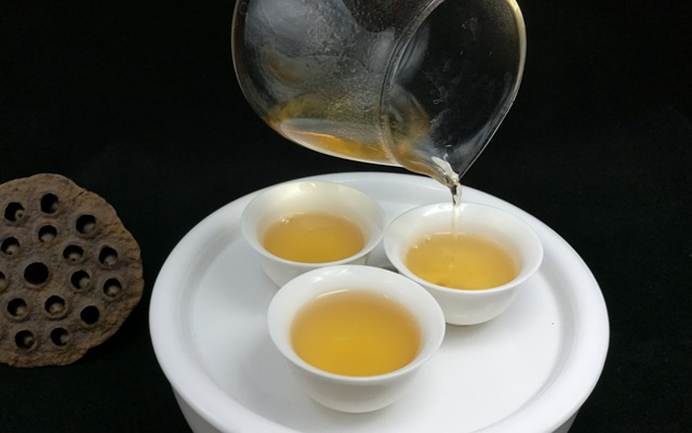
  • Tea liquor can be categorized by color, thickness, smoothness, astringency, and softness. Among these, color is the most readily observable characteristic and is used as the primary basis for the following classifications.


    1. Green Tea

    • Liquor Color: Light green or yellow-green, bright and clear.
    • Characteristics: Fresh and translucent with a natural plant green hue; emphasizes smoothness and sweetness.
    • Representative Teas: West Lake Longjing, Biluochun, Huangshan Maofeng.

    2. Yellow Tea

    • Liquor Color: Golden yellow or apricot yellow, bright and clear.
    • Characteristics: Soft yellow tones with an elegant and mellow flavor.
    • Representative Teas: Junshan Yinzhen, Huoshan Huangya, Mengding Huangya.

    3. White Tea

    • Liquor Color: Pale yellow or light apricot, clear and bright.
    • Characteristics: Gentle and refreshing tones with a sweet and brisk taste.
    • Representative Teas: Baihao Yinzhen, Bai Mudan, Shoumei.

    4. Oolong Tea (Semi-Oxidized Tea)

    • Liquor Color: Golden yellow, amber, or orange-yellow.
    • Characteristics: Varies in depth depending on oxidation level; dazzling hue with rich aroma. High-altitude teas tend to be smoother due to higher content of pectin-like substances.
    • Representative Teas: High Mountain Oolong, Tieguanyin, Oriental Beauty.

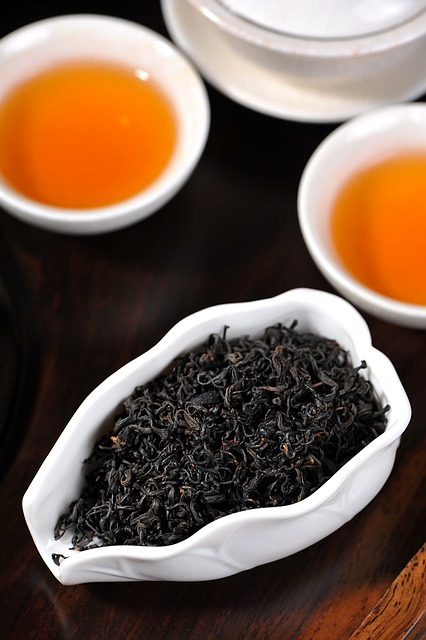
    5. Black Tea

    • Liquor Color: Red-orange or reddish-brown, bright and lucid.
    • Characteristics: Warm red tones with a rich, sweet flavor. Teas made from large-leaf varieties often have stronger astringency, while small-leaf varieties are milder.
    • Representative Teas: Keemun Black Tea, Darjeeling Black Tea, Assam Black Tea.

    6. Dark Tea (Post-Fermented Tea)

    • Liquor Color: Deep red, reddish-brown, or nearly black.
    • Characteristics: Dark and rich tones, accompanied by aged aromas; the taste is mellow and smooth.
    • Representative Teas: Ripe Pu’er Tea, Liu Bao Tea, Fu Brick Tea.

    7. Floral Tea

    • Liquor Color: Varies depending on the base tea, often yellow-green or golden yellow.
    • Characteristics: Combines tea liquor hues with aromatic floral notes, creating a fragrant experience.
    • Representative Teas: Jasmine Tea, Osmanthus Oolong, Rose Black Tea.

    Factors Influencing Tea Liquor Color

    1. Degree of Oxidation
      • Higher oxidation levels result in darker liquor colors.
    2. Processing Techniques
      • Techniques such as roasting and rolling directly affect liquor color.
    3. Brewing Conditions
      • Water temperature, brewing time, and tea-to-water ratio all influence liquor color.
    4. Tea Quality
      • High-quality teas produce brighter and clearer liquor, while lower-quality teas may result in dull or cloudy liquor.

    Tea liquor color serves as an essential indicator of tea quality and brewing efficacy. It is also a key aesthetic element in tea artistry and presentation.

  • Taiwan’s tea cultivation began during the Qing Dynasty in the early 19th century. Initially introduced from Fujian, China, tea plants adapted to Taiwan’s climate and geography. During the Japanese colonial era, research and development led to the creation of unique tea cultivars. These were later refined and expanded upon by Taiwan’s Tea Research and Extension Station, resulting in many new varieties. Taiwan’s diverse terrain, temperate climate, and fertile soil are ideal for growing high-quality tea.

    Major Tea Regions in Taiwan

    1. Northern Taiwan
      • Locations: Pinglin (New Taipei City), Fuxing District (Taoyuan City).
      • Key Teas: Baozhong tea, green tea.
      • Notable Production: Oriental Beauty tea from Hsinchu.
    2. Central Taiwan
      • Locations: Lugu and Mingjian (Nantou County).
      • Key Tea: Oolong tea, especially Dong Ding Oolong.
    3. High-Mountain Areas
      • Locations: Alishan, Lishan, Shanlinxi.
      • Key Teas: High Mountain Tea known for its rich aroma and sweet, fresh flavor.

    Tea Cultivation Factors

    1. Varieties
      Taiwan produces a wide range of teas, including Qingxin Oolong, Qingxin Damo, Jin Xuan, Cui Yu, and Ruby Red (Hongyu). Each variety requires specific cultivation methods.
    2. Altitude
      High-altitude areas such as Alishan and Lishan provide favorable conditions for tea cultivation. The significant temperature difference between day and night enhances flavor development, a hallmark of Taiwan’s teas.
    3. Tea Garden Management
      Tea plants are maintained through regular pruning and weeding to ensure clean gardens and healthy growth. Adequate sunlight and proper drainage are crucial for optimal tea cultivation. Some tea gardens adopt organic or natural farming practices, minimizing the use of chemical pesticides.