- Floral Aromas
- Examples: Jasmine, osmanthus, orchid fragrances.
- Representative Teas: Oriental Beauty, Alishan Oolong Tea (orchid aroma).
- Fruity Aromas
- Examples: Citrus, mango, pineapple fragrances.
- Representative Teas: Oriental Beauty, oolong tea, heavily oxidized high mountain teas.
- Woody Aromas
- Examples: Sandalwood, cedar, caramelized wood scents.
- Representative Teas: Heavily roasted Tie Guan Yin, aged teas.
- Sweet Aromas
- Examples: Honey, sugary, creamy fragrances.
- Representative Teas: Oriental Beauty (honey aroma), Taiwanese black tea, oolong teas (sugar aroma).
- Roasted Aromas
- Examples: Charcoal, nutty, baked scents.
- Representative Teas: Tie Guan Yin, roasted oolong teas (Dong Ding, Honey Aroma Oolong, etc.).
- Mature Aromas
- Examples: Aged, earthy, herbal scents.
- Representative Teas: Ripe Pu-erh tea, black tea.
- Fresh Aromas
- Examples: Herbal, vegetal, bean fragrances.
- Representative Teas: Sanxia Bi Luo Chun.
-
-
- Eliminates Bad Breath:
In 1983, Japanese researchers confirmed that green tea can help eliminate bad breath, with catechins being the effective components. Black tea also has this effect, but its active ingredient is the theaflavins found in black tea. - Antioxidant Effects:
The antioxidant effect ranking is green tea > partially fermented teas > black tea. Studies show that drinking tea increases the body’s antioxidant capacity, with green tea having six times the effect of black tea. The antioxidant ability is believed to be related to the catechin content in tea. - Prevents Tooth Decay:
Catechins strongly inhibit decay-causing bacteria. Clinical studies have shown they can significantly reduce dental plaque and periodontal disease indices, but they do not affect other oral microbes. - Anti-Cancer:
Green tea effectively inhibits cancer development, possibly due to its polyphenolic compounds. It can suppress tumors caused by various carcinogens and has inhibitory effects from cancer initiation, promotion, to metastasis stages. - Lowers Blood Pressure:
Green tea can slow the rise of blood pressure in spontaneously hypertensive rats. Epidemiological studies also indicate tea drinking reduces human systolic blood pressure: men who drink tea have 2.1 mmHg lower systolic pressure than non-drinkers, women about 3.1 mmHg lower. - Slows Aging:
To prevent chain damage caused by free radicals in the body, humans have enzymes to clear free radicals and maintain dynamic balance. Catechins and their oxidized products have strong antioxidant effects that neutralize free radicals, delaying aging, preventing oxidation, and improving allergies. - Anti-Inflammatory:
Tea reduces inflammation, with the powerful antioxidant polyphenols believed to be the main active ingredients responsible for this effect. - Weight Loss:
Taking green tea extracts can increase metabolism by up to 40%. Tea and tea polyphenols have been shown to inhibit fatty acid synthase activity in cells, reducing the increase of triglycerides, cholesterol esters, and other lipids; they also stimulate fat breakdown, aiding weight loss.
- Eliminates Bad Breath:
-
Tea flavors can be classified into categories such as sweet, fresh, bitter, astringent, sour, salty (umami), mellow, and smoky. Different tea types and processing methods influence the balance and layers of flavor. Tasting tea with attention to the overall flavor experience and its transformation is an important way to evaluate tea quality.
- Sweetness
- Description: A natural sweetness felt when the tea enters the mouth, bringing pleasure.
- Source: Soluble sugars and amino acids in tea leaves.
- Common teas: High mountain oolong, honey-scented black tea, Oriental Beauty.
- Characteristic: Sweetness often accompanies a lasting sweet aftertaste, an important indicator of high-quality tea.
- Freshness
- Description: Tea soup tastes fresh and invigorating, bringing a sense of alertness.
- Source: Amino acids (such as theanine) and moderate caffeine content.
- Common teas: Green teas (Longjing, Biluochun), fresh oolong teas.
- Characteristic: Freshness gives the tea a light sensation, especially suitable for hot weather.
- Bitterness
- Description: A slight bitterness upon entry; if it transforms into a sweet aftertaste, it is pleasant; too strong is a flaw.
- Source: Caffeine and tea polyphenols (especially catechins).
- Common teas: Medium to heavily roasted oolongs, some black teas.
- Characteristic: Bitterness in high-quality teas should be brief and quickly turn into sweetness.
- Astringency
- Description: A tightening or drying sensation in the mouth; excessive astringency signals poor quality.
- Source: Tea polyphenols binding with salivary proteins.
- Common teas: Green teas, some raw Pu’er teas.
- Characteristic: Moderate astringency adds texture complexity and good teas transform it into a sweet aftertaste.
- Sourness
- Description: A mild or fresh sourness, usually a natural flavor from fermentation; excessive sourness may indicate poor fermentation.
- Source: Organic acids produced during tea fermentation.
- Common teas: Black teas (e.g., Darjeeling), some aged ripe Pu’er teas.
- Characteristic: Slight sourness enhances vitality and layers in the tea soup.
- Salty (Umami) Flavor
- Description: A slight salty or oceanic umami taste, often found in teas from specific regions.
- Source: Minerals and salts in the growing environment.
- Common teas: White teas or certain rock teas from unique environments.
- Characteristic: Salty flavor is rare in tea tasting but can enhance freshness.
- Mellow (Full-bodied)
- Description: A round, rich, and lasting taste; the tea flavor is full and enduring.
- Source: Tea polysaccharides and fermentation products.
- Common teas: Dark teas (e.g., ripe Pu’er), roasted oolongs.
- Characteristic: Mellow flavor is a key trait of mature and fermented teas.
- Smoky
- Description: A pronounced smoky aroma, unique and intense.
- Source: Use of charcoal or smoke in tea processing.
- Common teas: Lapsang Souchong (smoked black tea).
- Characteristic: Smoky flavor is a result of a special craft, suited for specific taste preferences.
- Sweetness
-
- Tea Polyphenols
- The most important components in tea with catechins, theaflavins, and thearubigins, being the most notable groups.
- Catechins are particularly renowned for their antioxidant activity.
- Proteins and Amino Acids
- Amino acids contribute to a fresh, sweet, and savory taste and are highly water-soluble.
- Caffeine
- Provides stimulating effects, enhances alertness, alleviates mood, and acts as a diuretic.
- Vitamins
- Includes Vitamin C, B1, B2, B6, Vitamin A, folic acid, and niacin.
- Minerals
- Contains calcium, zinc, iron, and potassium.
- Fluorides
- Helps prevent dental cavities.
- Tea Polyphenols
-
There are countless varieties of tea ware, each with its own name and specific use, which can be overwhelming to learn.
But no worries! This article introduces the essential tools you need. With just one set, you’re ready to start brewing tea!
Clay Teapot:
Equipment Set:
Clay teapot + Fairness cup (pitcher) + Small tea cupsMethod:
- Place tea leaves in the clay teapot.
- Add water.
- Steep for a set amount of time.
- Pour the tea into the fairness cup.
- Pour tea from the fairness cup into small tea cups and enjoy.
Tip: Clay teapots retain heat well, making them suitable for teas that require high temperatures, such as roasted or heavily oxidized teas like oolong or black tea.
Examples:
Clay Teapot
Fairness Cup (Tea Pitcher)
Small Tea Cups
Gaiwan (Lidded Bowl):
Equipment Set:
Gaiwan + Fairness cup (pitcher) + Small tea cupsMethod:
- Place tea leaves in the gaiwan.
- Add water.
- Steep for a set amount of time.
- Pour the tea into the fairness cup.
- Pour tea from the fairness cup into small tea cups and enjoy.
Tip: Gaiwans require skill and practice. Beginners may find it easy to get burned by steam or the hot vessel. Gaiwans are well-suited for teas like green tea that need lower temperatures.
Examples:
Gaiwan (Lidded Bowl)
Mug:
Equipment Set:
Mug 1 (for brewing) + Mug 2 (as both fairness cup and tea cup)Method:
- Place tea leaves in Mug 1.
- Add water.
- Steep for a set amount of time.
- Pour the tea into Mug 2 and enjoy.
Tip: While mugs seem simple, they can yield excellent tea if used correctly. Using a filter can make brewing more convenient. Additionally, you can enjoy the changing aromas during the brewing process.
Examples:
Mug
Special Cases:
- Open Lid Brewing:
- Regardless of whether you’re using a gaiwan, bowl, or clay teapot, if the lid is left open, you should use the mug brewing timing in the app.
- Teapot with Ventilation Holes:
- For teapots with lids featuring many air holes, also use the mug brewing timing in the app.
Reasoning: In both cases, the lack of a closed lid prevents heat retention, making the brewing conditions similar to those of a mug.
-
Drinking tea is a lifelong journey.
As the years go by, more friends around me have started to embrace tea culture.
Some are passionate about buying tea, others stick to specific flavors.
Some enjoy drinking tea alone, while others love the communal experience of tea gatherings.Seeing these friends reminds me of my early days of tea appreciation.
There are a few things I wish someone had told me back then.
[Understanding Tea Grades]
- Most tea used in bubble tea shops (except for those that grow their own leaves) consists of lower-grade tea, mixed with a certain proportion of Vietnamese tea, or, in worse cases, tea flavored with artificial additives.
- Supermarket tea is usually slightly better than bubble tea but still often lower-grade. These teas often use roasting techniques to mask their flaws, though large-scale production limits the extent of improvement.
- Tea shops typically offer a range of options: lower-grade, average, high-quality, and rare teas (though rare doesn’t always mean delicious). Navigating this variety requires years of tasting and proper guidance.
- If you can’t discern tea quality at all, consider it a blessing—it’s easier to feel satisfied.
[Brewing Techniques]
- Different teas require different water temperatures. Black tea calls for boiling water; oolong can handle boiling or slightly cooler water, while green tea needs even lower temperatures. Accurate temperature guidelines are widely available online.
- Brewing time is an art. It depends on factors such as the tea’s oxidation level, the tenderness of the leaves, aroma development, and the infusion count (e.g., first or second brew).
- The choice of brewing equipment matters, too:
- Clay teapots retain heat well, making them suitable for highly oxidized teas or mature leaves.
- Gaiwans (lidded cups) dissipate heat easily, ideal for less oxidized teas or tender leaves.
- If you know your tea well, even a simple mug can produce excellent results.
[Developing Tea Appreciation Skills]
- The tea world is similar to coffee and wine, with diverse origins and processing methods that can be overwhelming. In the beginning, don’t stress about identifying every flavor accurately. Simply drink what you like, do some research, and ask sellers for advice—they often provide helpful answers.
- After some time, if you wish to progress further, seek proper guidance. Find a good mentor or try flagship teas from international brands to understand what premium tea tastes like.
- Once you’ve gained some expertise, explore local tea shops and regional teas. You’ll find it easier to evaluate tea quality, recognize sales tactics, and score better teas at more reasonable prices.
Final Thoughts
These insights are shared to encourage a relaxed approach to learning about tea. The most important aspects are to enjoy the experience, feel comfortable, and stay healthy while drinking tea.
After all, tea is a lifelong pursuit.
-
When it comes to defining good tea, opinions abound.
Some claim that high-mountain tea is inherently good; others argue that rare varieties, organic teas, or teas produced by multi-generational tea farmers fit the bill.
While these ideas are not entirely correct, they’re not entirely wrong either.From a consumer’s perspective, what truly matters is taste and personal preference.
For those who wish to delve deeper, here are some general standards for evaluating good tea:
Basic Requirements
- No Off-Flavors or Strange Tastes
Good tea should not have unpleasant tastes such as bitterness, off-flavors, raw or stale notes, or even moldy aromas. The key is a smooth, comfortable drinking experience without distractions.- Astringency: This is a special case. While high-quality tea, especially oolong, generally avoids bitterness or astringency, certain types like green tea can develop bitterness, and Ruby Red tea can exhibit astringency. Appropriate levels of astringency can enhance the depth of tea liquor when it quickly fades without discomfort.
- Distinct Varietal Characteristics
Taiwan alone offers dozens of common tea varieties, each with unique attributes (e.g., Jin Xuan tea should have milky or pineapple notes; Ruby Red tea should feature cinnamon and mint; high-mountain oolong should exhibit floral and mountain freshness). Achieving these requires both high-quality leaves and precise crafting techniques. - Rich Extractable Substances
Beyond aroma, the composition of a tea matters. Rich extractable compounds like pectins, amino acids, and minerals create a more dynamic flavor profile. Generally, high-mountain teas contain more of these substances than lowland teas, giving them an advantage in this category. - Bright and Clear Liquor Appearance
A clear, vibrant tea liquor often indicates stable leaf quality, which is strongly associated with overall tea excellence. - Complete, Elastic Tea Leaves
After brewing, examine the tea leaves. Intact, springy leaves are a sign of good raw materials and proper processing. Leaves that are overly fragmented or mushy usually reflect lower-quality leaves or suboptimal production.
Our Standards
- A harmonious blend of aroma, flavor, and aftertaste characteristic of each tea.
- A distinctive quality that sets the tea apart from standard market offerings.
Bonus Points (Not necessarily tastier, but often pricier)
- Origin or altitude of production.
- Crafted by a renowned tea master.
- Award-winning teas.
For beginners, adhering to the basic requirements is sufficient for selecting good tea.
For those with a keen palate, discerning tea quality at higher levels becomes possible with experience.
As for bonus points, they depend on personal preference and budget. - No Off-Flavors or Strange Tastes
-
Tea has a long and storied history, with unique methods of production and characteristics found in India, Japan, China, the United Kingdom, and even Central Asia.
China
- Tea Varieties: The six major categories of tea: green tea, white tea, yellow tea, oolong tea, black tea, and dark tea.
- Signature Teas:
- Green Tea: West Lake Longjing, Biluochun.
- Oolong Tea: Dahongpao, Tieguanyin.
- Dark Tea: Pu’er tea.
- Culture: Renowned for its rich tea culture, emphasizing ceremony and spiritual refinement.
Japan
- Tea Varieties: Primarily green tea, with a focus on steaming techniques.
- Signature Teas:
- Matcha: Powdered tea, central to tea ceremonies and baking.
- Sencha: A staple for daily consumption.
- Genmaicha: A blend of green tea and roasted rice.
- Culture: Japanese tea ceremonies highlight Zen aesthetics and simplicity, embodying the spirit of “Wa Kei Sei Jaku" (harmony, respect, purity, tranquility).
India
- Tea Varieties: Predominantly black tea, with some green and white teas.
- Signature Teas:
- Assam Black Tea: Bold and robust.
- Darjeeling Black Tea: Floral and fragrant, known as the “Champagne of Teas."
- Masala Chai: Spiced milk tea with intense flavors.
- Culture: Tea is a national drink, with chai being immensely popular. India ranks among the world’s largest tea producers.
Sri Lanka (Ceylon)
- Tea Varieties: Predominantly black tea, classified into high, mid, and low-grown types.
- Signature Teas: Ceylon Black Tea, known for its bright color and rich flavor.
- Culture: Emphasizes export quality, earning its reputation as the “Kingdom of Tea."
Taiwan
- Tea Varieties: Primarily oolong tea and high-mountain tea, with growing interest in black tea.
- Signature Teas:
- High-Mountain Tea: Fresh and mellow.
- Oriental Beauty: Rich honey aroma.
- Tieguanyin: Unique and full-bodied flavor.
- Culture: Teahouses are popular, with a focus on tea aroma, utensils, and brewing techniques.
United Kingdom
- Tea Varieties: Predominantly black tea, often blended.
- Signature Teas:
- English Breakfast Tea: Bold and ideal for milk.
- Earl Grey: Black tea infused with bergamot essence.
- Culture: Afternoon tea is a hallmark of elegance, accompanied by scones, sandwiches, and pastries.
Russia
- Tea Varieties: Primarily black tea, favoring strong brews.
- Signature Teas:
- Russian Black Tea: Often made in brick form, with deep, robust flavors.
- Culture: Traditionally brewed with a samovar, Russian tea is rich and often sweetened with sugar or jam.
Morocco
- Tea Varieties: Green tea, frequently paired with mint leaves.
- Signature Tea: Moroccan Mint Tea, sweet and refreshing, often prepared with ample sugar.
- Culture: Tea is a symbol of hospitality, with preparation reflecting warmth and respect.
Turkey
- Tea Varieties: Primarily black tea, known for its bold aroma.
- Signature Tea: Turkish Black Tea, prepared using a double teapot, served strong with hot water to adjust strength.
- Culture: An essential part of daily life, enjoyed in small, tulip-shaped glasses.
Africa (Kenya, South Africa, etc.)
- Tea Varieties: Kenya produces black tea; South Africa is known for rooibos (herbal tea).
- Signature Teas:
- Kenyan Black Tea: Deep color, ideal for blending.
- Rooibos Tea: Caffeine-free, naturally sweet, and healthful.
- Culture: Tea production is a significant economic activity, with a growing global presence.
Other Regions
- United States: Prefers iced teas, such as sweet tea.
- Korea: Known for grain and fruit teas, like barley tea and citron tea.
- Middle East: Strongly flavored teas, often spiced with cloves or cinnamon.
-
Introduction
To accommodate the fast-paced, busy lives of modern individuals, we’ve developed a tea brewing method designed specifically for contemporary lifestyles. However, this method maintains the quality and characteristics of traditional teapot or gaiwan brewing, ensuring the tea’s aroma, flavor, and aftertaste. It even aims to enhance the experience, offering a more intuitive and user-friendly way to enjoy tea.
Choosing the Right Mug
Select a mug with a rim diameter of approximately 7–8 cm. A mug with a wider rim can lead to quicker cooling, which may reduce the prominence of certain aromas that are best expressed at higher temperatures.
Step-by-Step Guide for the Half-Cup Brewing Style
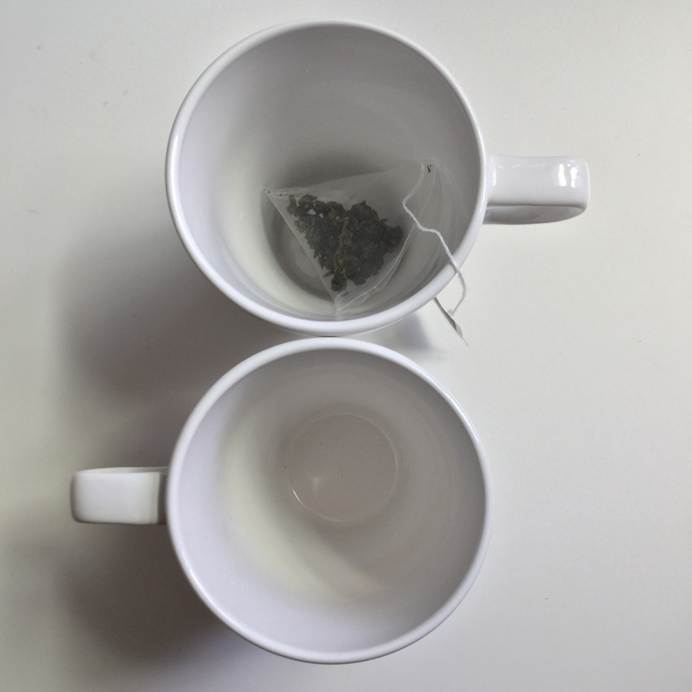
- Prepare Two Mugs (or One Mug and a Tea Bag Holder):
Place a tea bag into your mug.
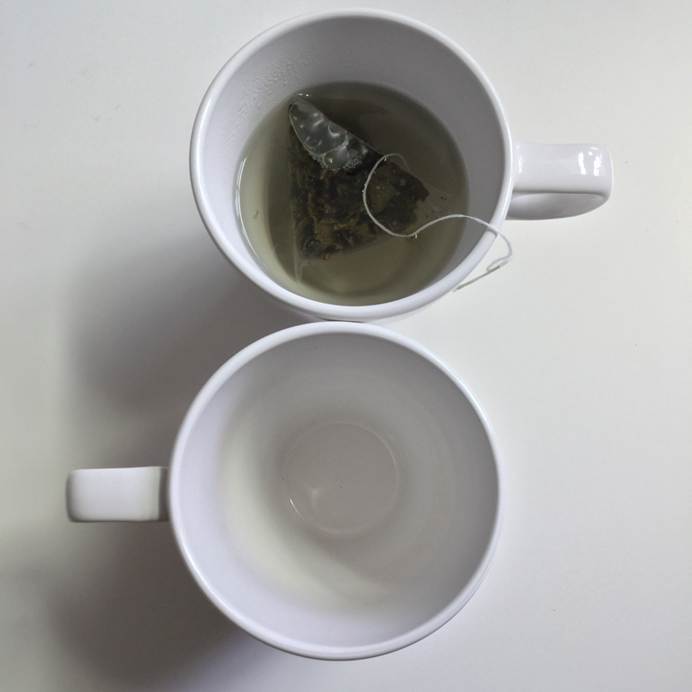
- Add Measured Hot Water:
Pour in a measured amount of hot water, as recommended for each tea in the app. This is typically about 50–60% of the mug’s capacity.
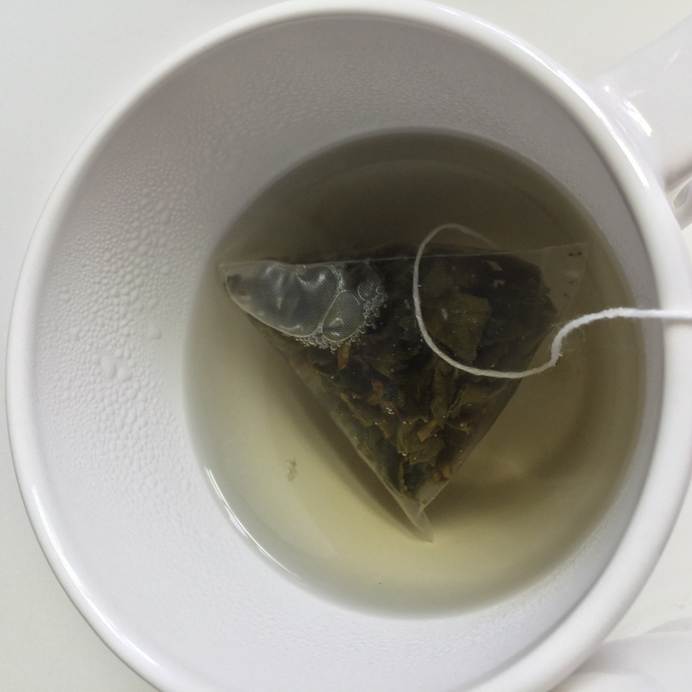
- Wait for the App’s Cues:
Follow the app’s prompts to experience the different stages of aroma and steeping time.
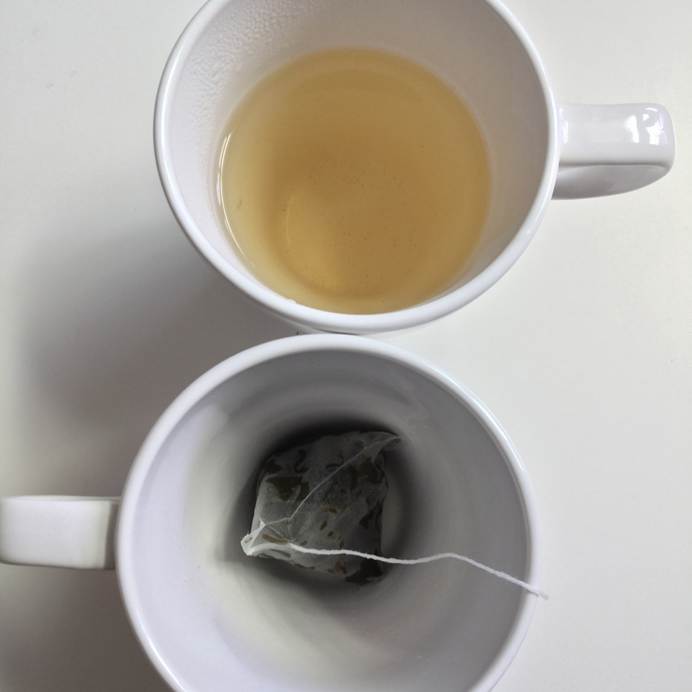
- Remove the Tea Bag:
Once the app indicates that the steeping time is complete, remove the tea bag from the mug and place it in the designated holder.
- Enjoy Your Tea:
Follow the app’s guidance to savor the aroma, taste, and aftertaste of the tea. Let the app enhance your appreciation with tailored tips for each tea variety.
This method simplifies tea brewing while preserving its depth and sophistication. Enjoy a refined tea experience anytime, anywhere!
- Prepare Two Mugs (or One Mug and a Tea Bag Holder):
-
To accommodate the busy, fast-paced lifestyle of modern individuals, we’ve been exploring tea brewing methods that are more convenient yet retain the quality and characteristics of traditional teapot or gaiwan brewing. Ideally, this method would ensure the aroma, flavor, and lingering aftertaste of the tea while creating a more intuitive and user-friendly experience.
Here, we introduce the Half-Cup Brewing Style by Cloudy Valley.
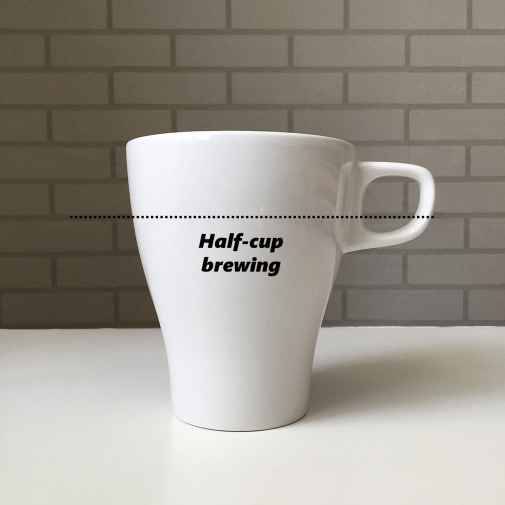
Why Half-Cup? A Fortunate Discovery
The idea of using half a cup originated from years of brewing tea in mugs. We noticed that reducing the water volume often made the flavor more intense, which seemed reasonable. But why did the aroma also become more prominent?
Initially, we attributed this to the tea-to-water ratio (the weight proportion of tea leaves to water). However, when using the same ratio to fill the mug 80–90% full, the aroma wasn’t as pronounced.
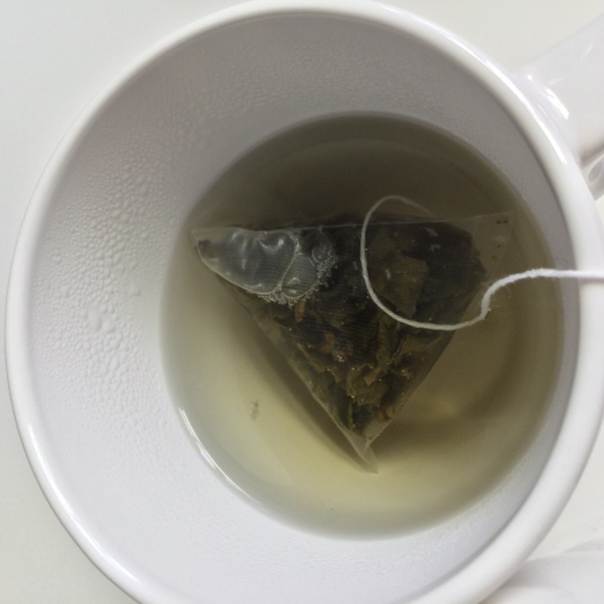
The realization came when we noticed the condensation of tea vapor forming droplets on the rim of the mug.
How Half-Cup Brewing Enhances Aroma
The aroma of tea (volatile compounds) rises with the steam from the hot water. As the steam ascends within the mug, the cooler rim condenses it into tea droplets.
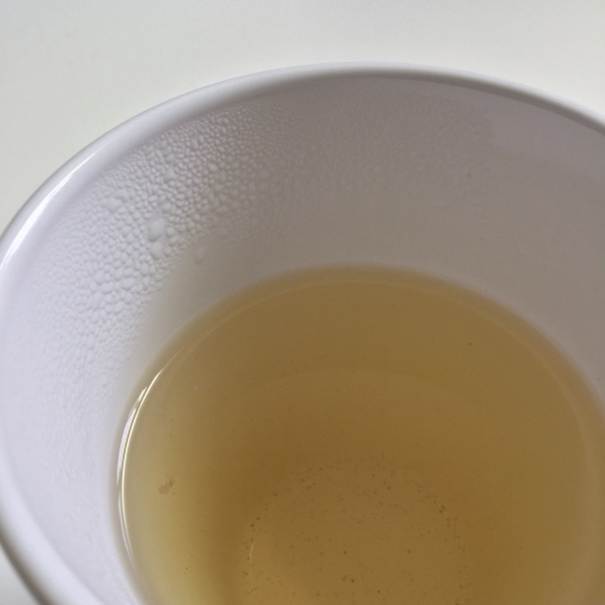
At lower temperatures, tea aromas often lean towards floral and honey-like notes (similar to the fragrance lingering in the bottom of small teacups when using a teapot). This combines with the high-temperature aroma of the tea vapor, making the half-filled mug distinctly more aromatic.
Additionally, the design of the mug directs the aroma upward in a straight line, making it easier for the drinker to perceive. By contrast, a fully filled mug allows the aroma to diffuse in all directions, resulting in a less concentrated scent.
Key Insights into the Half-Cup Phenomenon
These two primary factors contribute to the unique aromatic experience of the half-cup brewing style:
- The condensation of tea vapor at the cooler mug rim.
- The vertical concentration of aroma facilitated by the mug’s shape.
While the term “half-cup" is used, you don’t need to adhere strictly to this measurement. Filling the mug approximately 50–60% is sufficient. The concept focuses on enhancing aroma, while the flavor intensity still depends on the tea-to-water ratio.
Try this method and experience the difference yourself!


 Cloudy Valley, Formosa tea