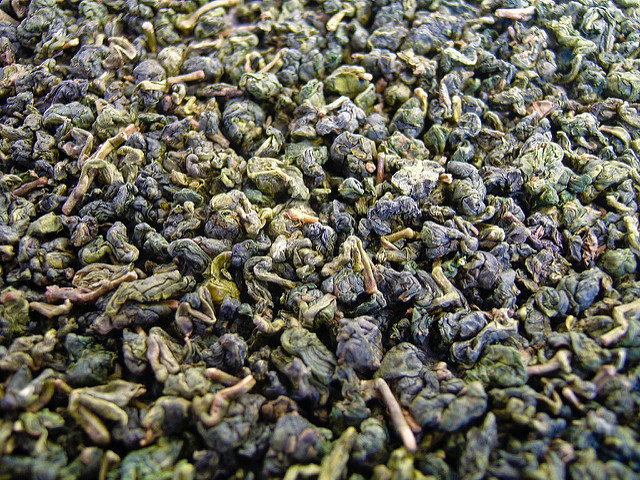
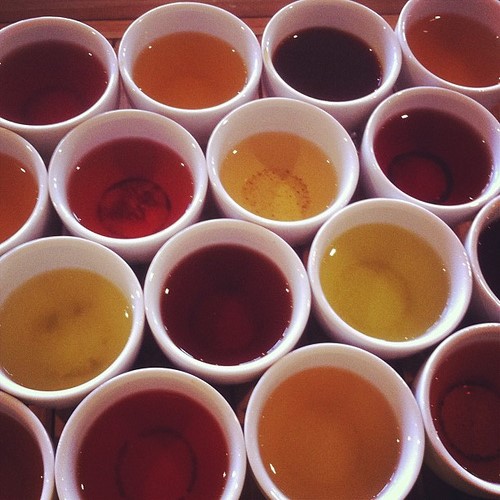
• Taiwanese teas can be paired with desserts based on this principle:
    “Sweet with green, dairy with black, nuts with oolong."


    Sweet with Green

    This refers to desserts without dairy flavors, such as mung bean cakes or date-filled pastries. The natural sweetness of green tea complements these treats while balancing any richness, enhancing the overall harmony.


    Dairy with Black

    Dairy-rich desserts pair well with robust black teas, such as Assam or Ruby Red. The creaminess of the dessert softens the slight astringency of the tannins in black tea, while the bold aroma of the tea retains its spotlight without being overshadowed by the richness of the cream.


    Nuts with Oolong

    Nut-based desserts pair perfectly with lightly roasted oolong teas. The natural oils and roasted aroma of nuts align beautifully with the caramelized, roasted fruit notes and fire-toasted nuances of the oolong, creating a balance where neither overpowers the other.


    Variations: Lightly Oxidized Oolong and Dried Fruits

    For lightly oxidized and lightly roasted oolong teas, such as floral oolongs, dried fruits are a better match than nuts. The floral notes in the tea harmonize with the fruity sweetness, creating a delightful interplay of flavors.


    A Unique Pairing: Dong Ding Oolong and Dark Chocolate

    Dong Ding Oolong’s full-bodied flavor pairs exceptionally well with the richness of dark chocolate. The tea’s depth and the chocolate’s intensity resonate like long-lost friends reconnecting, their familiar harmony rekindled with each sip of tea and bite of chocolate.

  • Origins and Early Development of Tea

    1. Mythological Period:
      • Shennong Tasting Hundreds of Herbs: According to legend, Shennong (circa 2737 BCE) discovered tea’s detoxifying properties, introducing it as a medicinal plant.
      • Shennong Bencaojing: This ancient text highlights the medicinal value of tea, emphasizing its ability to clear heat, detoxify, and stimulate the mind.
    2. Pre-Qin and Han Dynasties (21st century BCE – 220 CE):
      • Tea was used primarily as a medicinal or boiled drink but was not widely consumed.
      • The earliest written record of tea appears in the Book of Songs (Shijing) under the term “荼,” believed to be an ancient word for tea.

    The Rise of Tea as a Beverage

    1. Wei, Jin, and Northern and Southern Dynasties (220–589 CE):
      • Tea consumption gained popularity, particularly among scholars.
      • Religious circles (Buddhism and Taoism) promoted tea for its ability to aid meditation and foster clarity of mind, further spreading tea culture.
    2. Sui and Tang Dynasties (581–907 CE):
      • The Tang Dynasty marked the golden age of tea culture.
      • Chajing (The Classic of Tea): Written by Lu Yu (circa 760 CE), this book became the first tea monograph in the world, laying the foundation for tea production, consumption, and culture.
      • Tea became an integral part of social occasions, enjoyed by the imperial court, scholars, and commoners alike.

    The Maturity and Diversification of Tea Culture

    1. Song Dynasty (960–1279 CE):
      • Tea culture peaked with the rise of the “whisked tea” method, emphasizing the artistry of tea preparation.
      • Tea became intertwined with art forms such as teaware design, tea paintings, and poetry.
      • Tribute Tea System: The state rigorously managed the production and supply of high-quality teas.
    2. Yuan Dynasty (1271–1368 CE):
      • Under Mongol influence, milk tea became popular.
      • Tea was further integrated into the lifestyles of frontier ethnic groups, serving as a crucial medium of cultural exchange.

    Tea’s Popularization and Global Influence

    1. Ming and Qing Dynasties (1368–1912 CE):
      • The Ming Dynasty introduced loose-leaf tea, replacing the compressed tea cakes of the Tang and Song Dynasties, simplifying tea preparation.
      • During the Qing Dynasty, tea became a daily habit across all social classes, with distinct regional tea customs emerging (e.g., Gongfu tea, gaiwan tea).
      • Tea trade flourished, with Chinese tea exported to Europe, Asia, and the Middle East, catalyzing the global spread of tea culture.
    2. Modern Era (1912 – Present):
      • Tea varieties have diversified, with green, black, oolong, dark, white, and yellow teas gaining global popularity.
      • Chinese tea arts and ceremonies have been widely promoted domestically and internationally, making tea a significant medium for cultural exchange.
  • Some basic factors before brewing a tea:

    • Tea-to-Water Ratio
    • Temperature
    • Utensils
    • Time

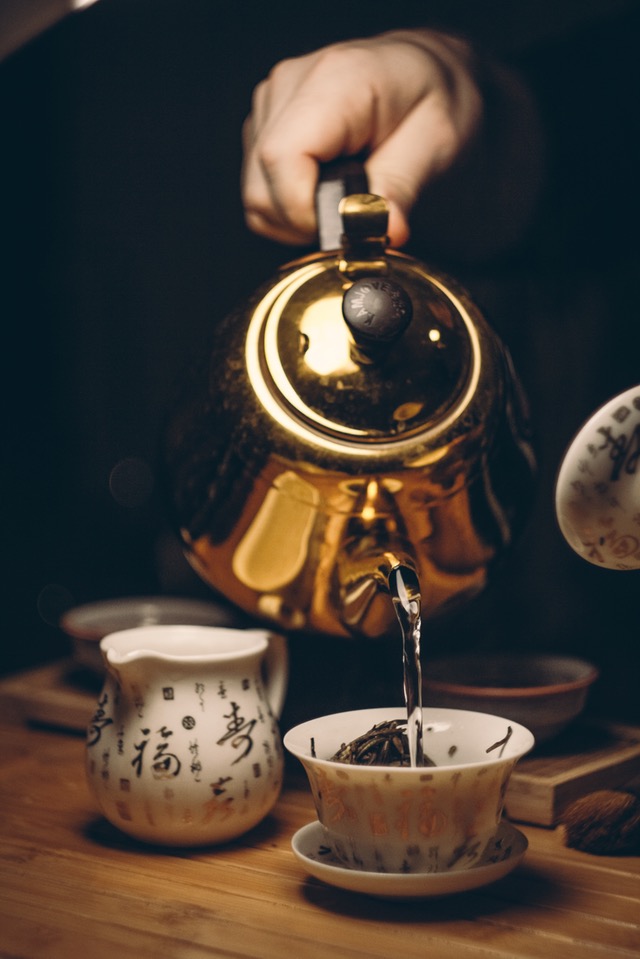
    Photo by: NIKOLAY OSMACHKO

    Tea-to-Water Ratio:

    The ratio of tea leaves to water significantly impacts the flavor of the tea liquor. For tasting purposes, a standard ratio of 1:50 is used. When brewing tea for personal enjoyment, you can adjust the ratio according to your preferred strength (1:30 to 1:60).


    Temperature:

    Temperature is a crucial factor. Different teas require different brewing temperatures:

    • High temperature (95–100°C): Suitable for teas like oolong and black tea.
    • Medium-high temperature (80–90°C): Ideal for teas like Oriental Beauty.
    • Medium-low temperature (60–75°C): Best for green teas.

    If the temperature is too high, the tea may turn bitter. If it’s too low, the aroma and flavor may not develop fully. However, the optimal brewing temperature can vary slightly depending on the tea producer and roasting method.


    Utensils:

    Choosing the right brewing utensil often feels complicated. Traditional tools like teapots and gaiwans may seem cumbersome, especially in office settings, while mugs can be imprecise for controlling tea flavor. However, the primary consideration for utensils is their cooling rate:

    • Clay teapot: Retains heat the longest, suitable for teas like oolong that can withstand high temperatures.
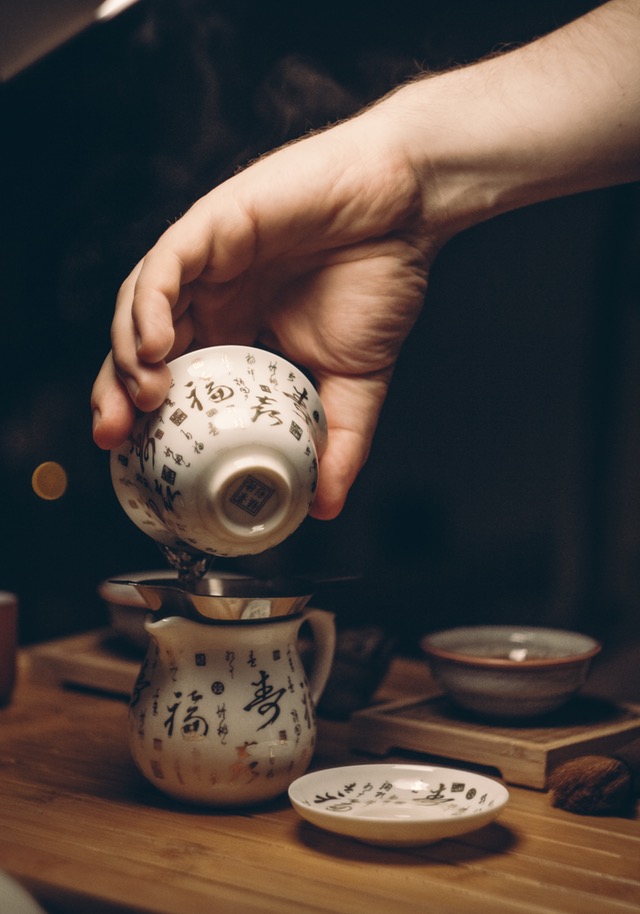
    • Gaiwan (lidded bowl): Cools quickly, ideal for delicate teas like green or pouchong teas that require precise temperature control.
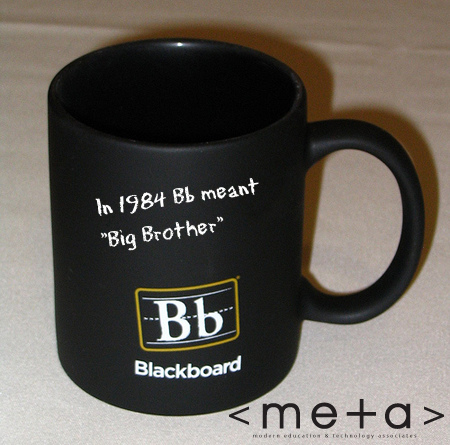
    • Mug: Starts cooling quickly but slows down later. Though not ideal for brewing fine tea, it is the most convenient option for office use. To achieve better results, consider using a method similar to the tea tasting cup style (e.g., a small 150ml mug).

    Photo credit: Mr_Stein via Visual hunt / CC BY-NC-SA


    Time:

    Brewing time is often a source of confusion. With the variety of tea processing methods in Taiwan, brewing preferences can vary widely. A simplified approach is as follows:

    • Apart from green teas prone to bitterness and black teas like Ruby Red that can become astringent, high-quality teas generally withstand longer brewing times.
    • Start with a tasting cup method, steeping for 3–5 minutes, and gradually reduce the time to find your preferred flavor profile.

    If you still feel uncertain or anxious about the brewing steps or timing, consider trying our Effortless Tea Brewing Method or the Half-Cup Mug Brewing Method.

    Photo credit: 景 via VisualHunt / CC BY-NC-ND

  • 關於茶的基本認識, 可以分成【茶】、【器】、【法】、【品】四個區塊。


    【茶】茶的定義: 狹義的定義為以茶樹品種的葉子,進行發酵或烘焙等製程
    而製成的茶乾。


    茶的種類- 以發酵程度分
    
    青(清)茶: 
    
    半發酵茶 (發酵程度18~60%),茶湯為金黃至褐色,一般常說的烏龍茶為青茶
    下的一種分支品系,重視香氣以及焙火的搭配
    
    → 常見台灣茶種: 烏龍/ 高山/ 凍頂/ 金萱/ 四季春
    
    single-clump-tea-2431809_640
    
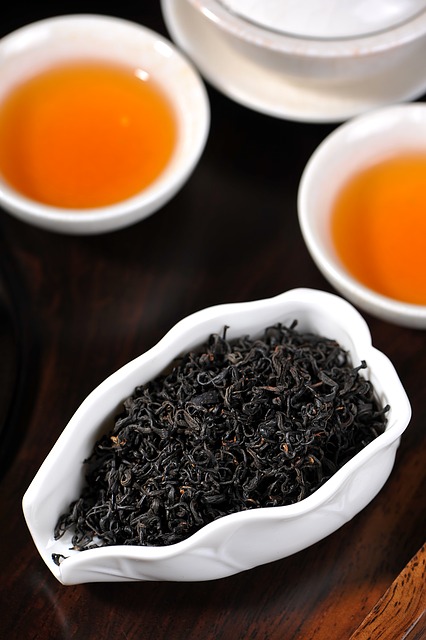
    紅茶:
    
    全發酵茶 (發酵程度100%) 
    
    → 常見台灣茶種: 台灣阿薩姆/ 紅玉,茶湯多為深紅色,重視香氣以及滋味的醇厚
    
    black-tea-2443943_640
    
    綠茶:
    
    為不發酵茶 (發酵程度0)且製程只殺青而不烘焙,茶湯為翠綠至黃綠色,重視茶湯的
    "鮮活甜"
    
    → 常見台灣茶種: 碧螺春
    
    asia-3013765_640
    
    白茶:
    
    為不發酵茶(發酵程度0)且製程有極少量烘焙乾燥或曬乾,茶乾上仍有許多毫毛
    
    
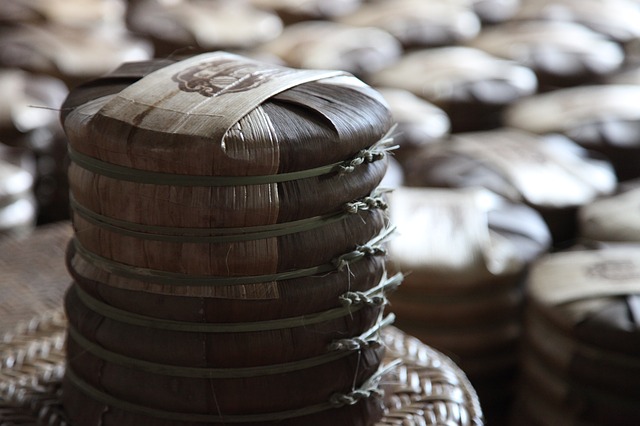
    黑茶:
    
    在茶葉完全發酵與烘焙後, 再經過一段時間的陳放與麴菌作用, 茶湯多呈黑褐色且混濁
    
    → 代表茶種: 普洱茶
    
    tea-cake-504706_640


    茶的種類- 以烘焙程度分生、熟茶
    
    焙火可以減少茶葉的含水量,並讓茶在高溫下產生"梅納反應",增加茶的香氣。


    生茶: 指沒有經過焙火工序的茶
    
    熟茶、半生熟茶: 有經過焙火工序的茶,通常還會用"幾分火"來說明烘焙的程度
    
    *例外: 普洱的生熟茶指的是是否經過"渥堆發酵"的程序
  • <<前言>>

    為了因應現代人忙碌跟快節奏的生活, 我們一直在研究更適合現代人的泡茶方式。

    但這種方式必須保留傳統壺泡/ 蓋杯泡法能泡出來的水平以及特色, 或許能更進一步的, 在茶品的香氣、滋味跟餘韻都能確保之下, 創造出更直覺、更友善的品茶體驗。


    § 關於馬克杯的選用, 請選擇杯口直徑在7~8cm左右的馬克杯, 如果杯口太大容易造成降溫太快, 某些高溫時才顯現出來的香氣可能會較不明顯

    對於我們推薦的馬克杯泡法, 詳細的泡法步驟如下:

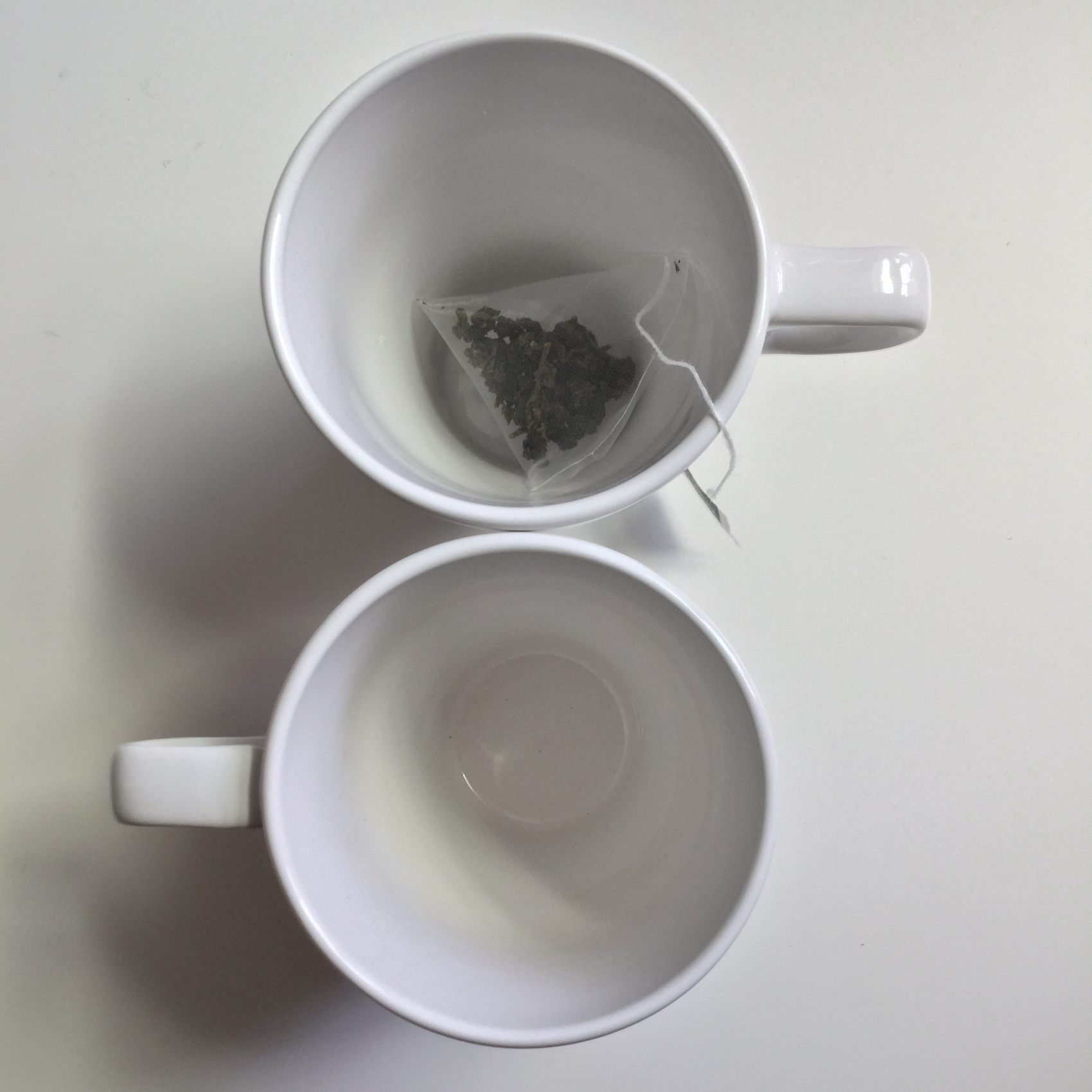
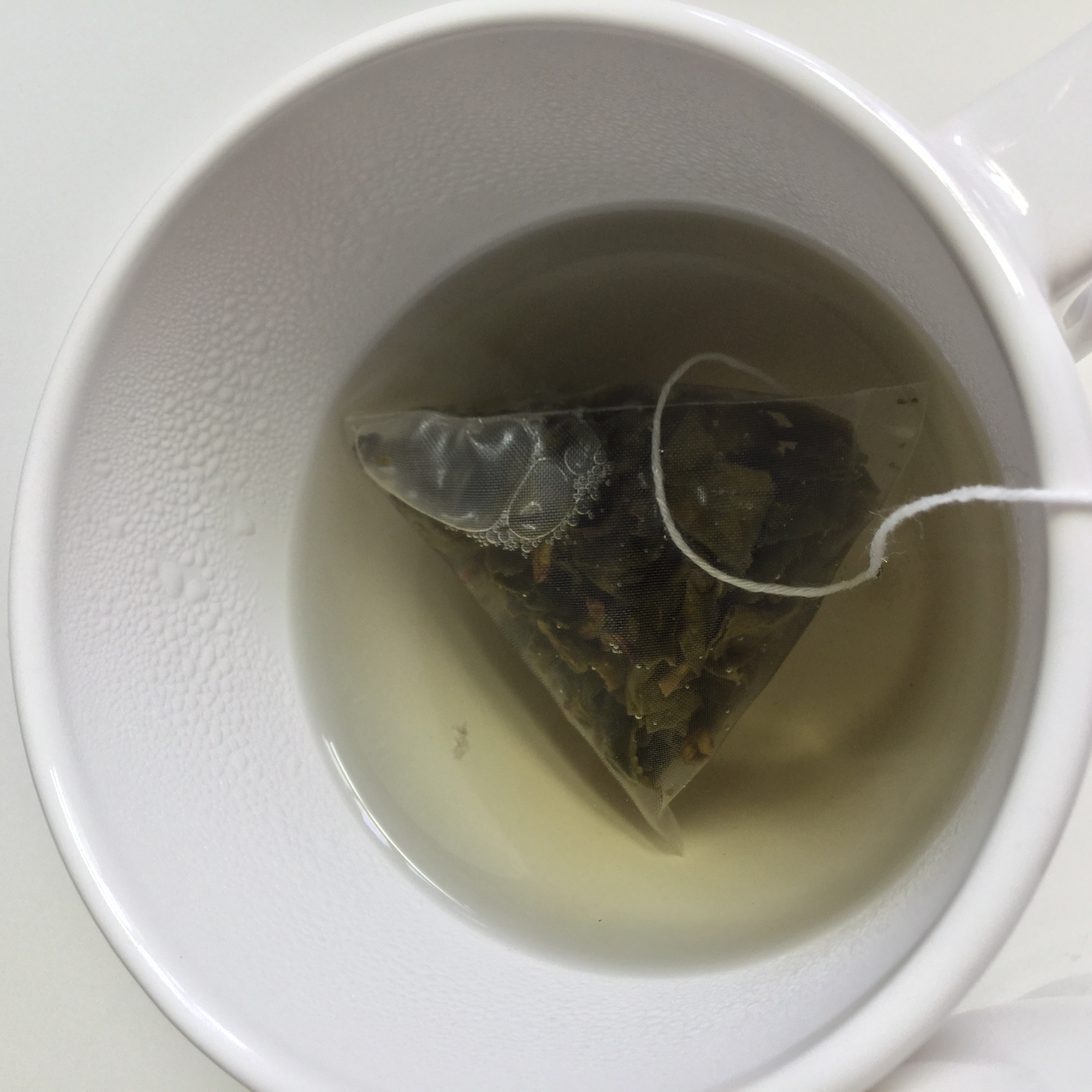
    準備兩個馬克杯 (或一個馬克杯+ 一個放茶包的容器), 放入茶包至馬克杯中

    img_00481

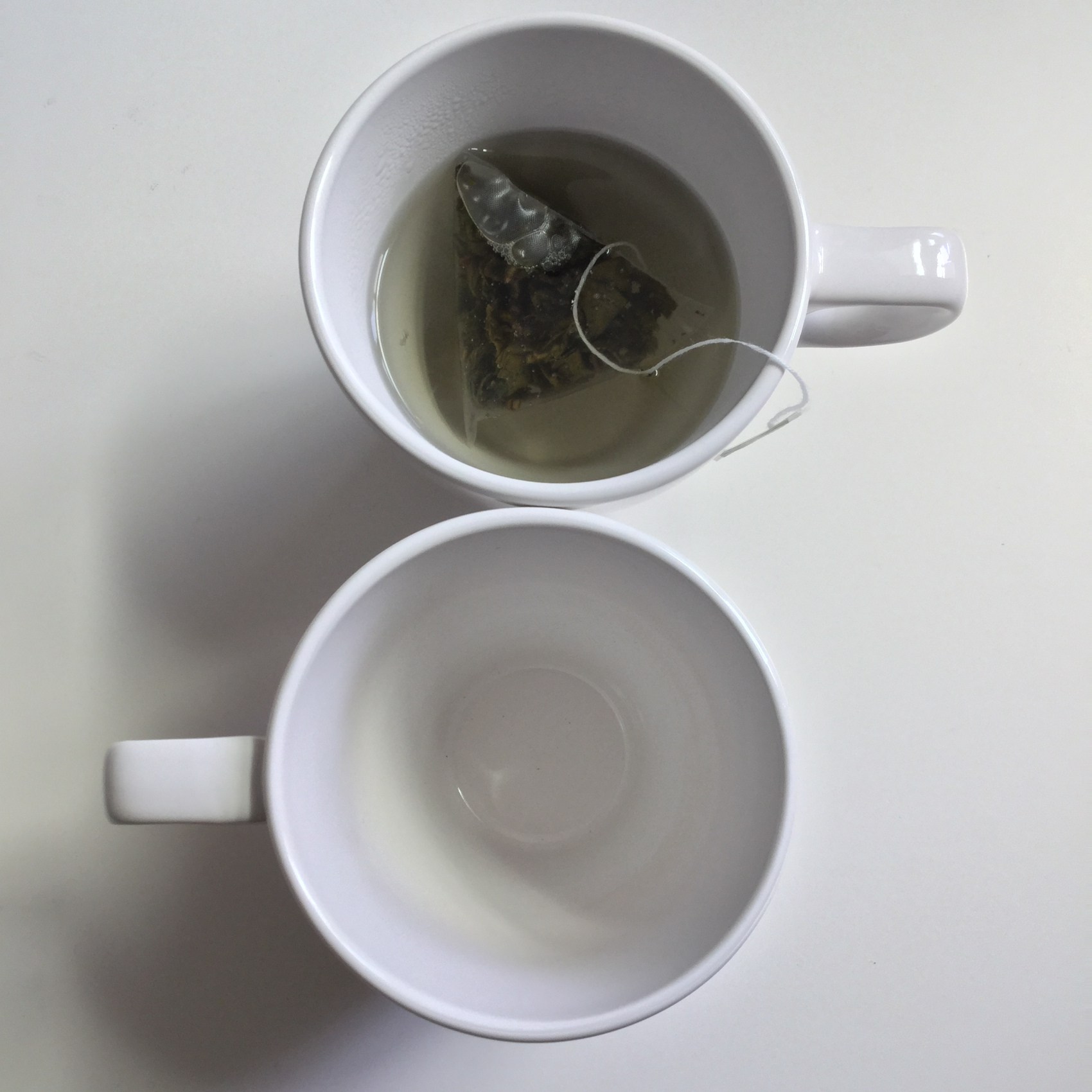
    倒入定量的熱水 (水量如同每款茶在App上建議的c.c.數, 約ㄧ般大小之馬克杯的5-6分滿)

    img_0058

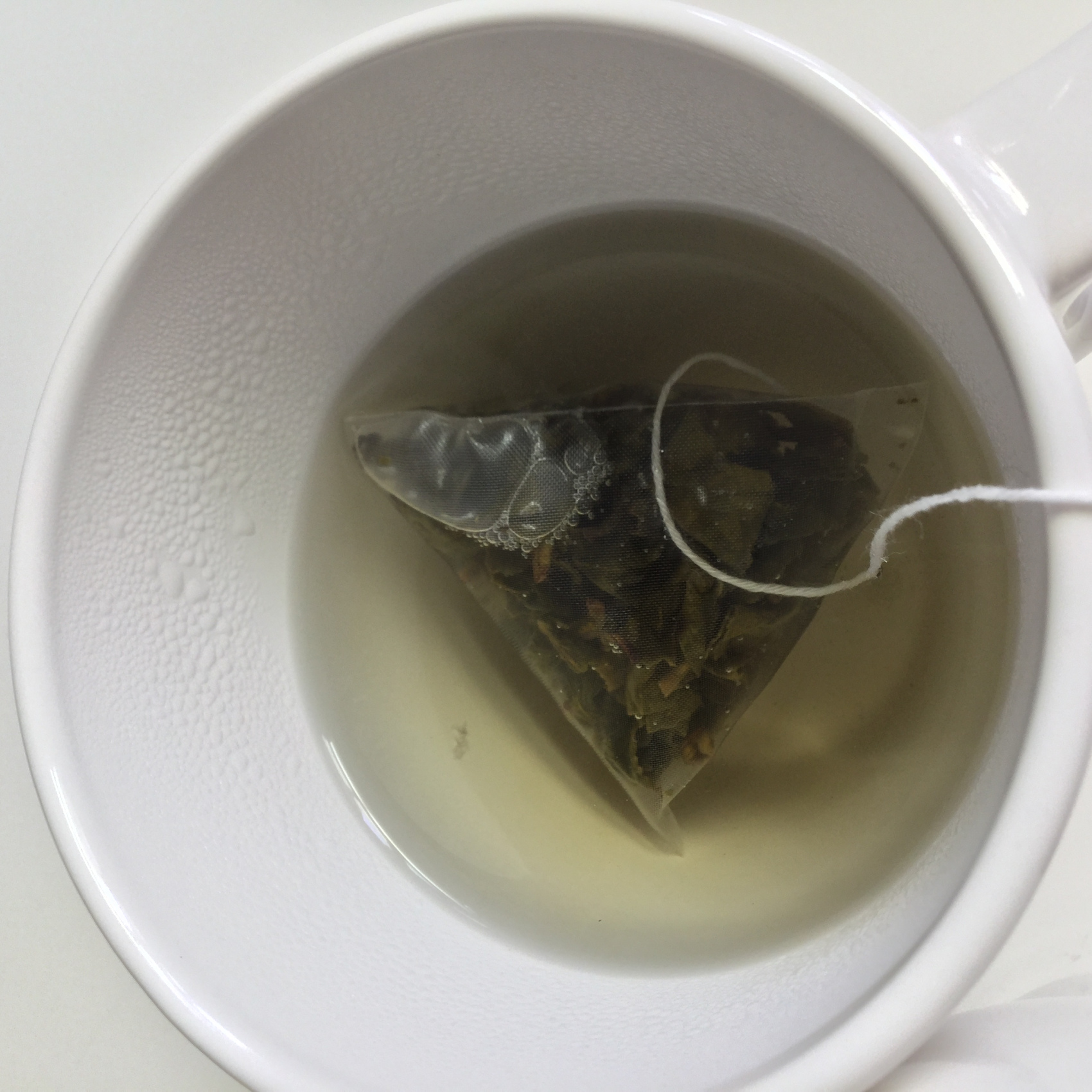
    等待App泡茶的提示(嗅聞各階段的香氣)以及沖泡時間, 由App動態的提示, 可以讓使用者更容易理解茶品的香氣特性。

    img_00681

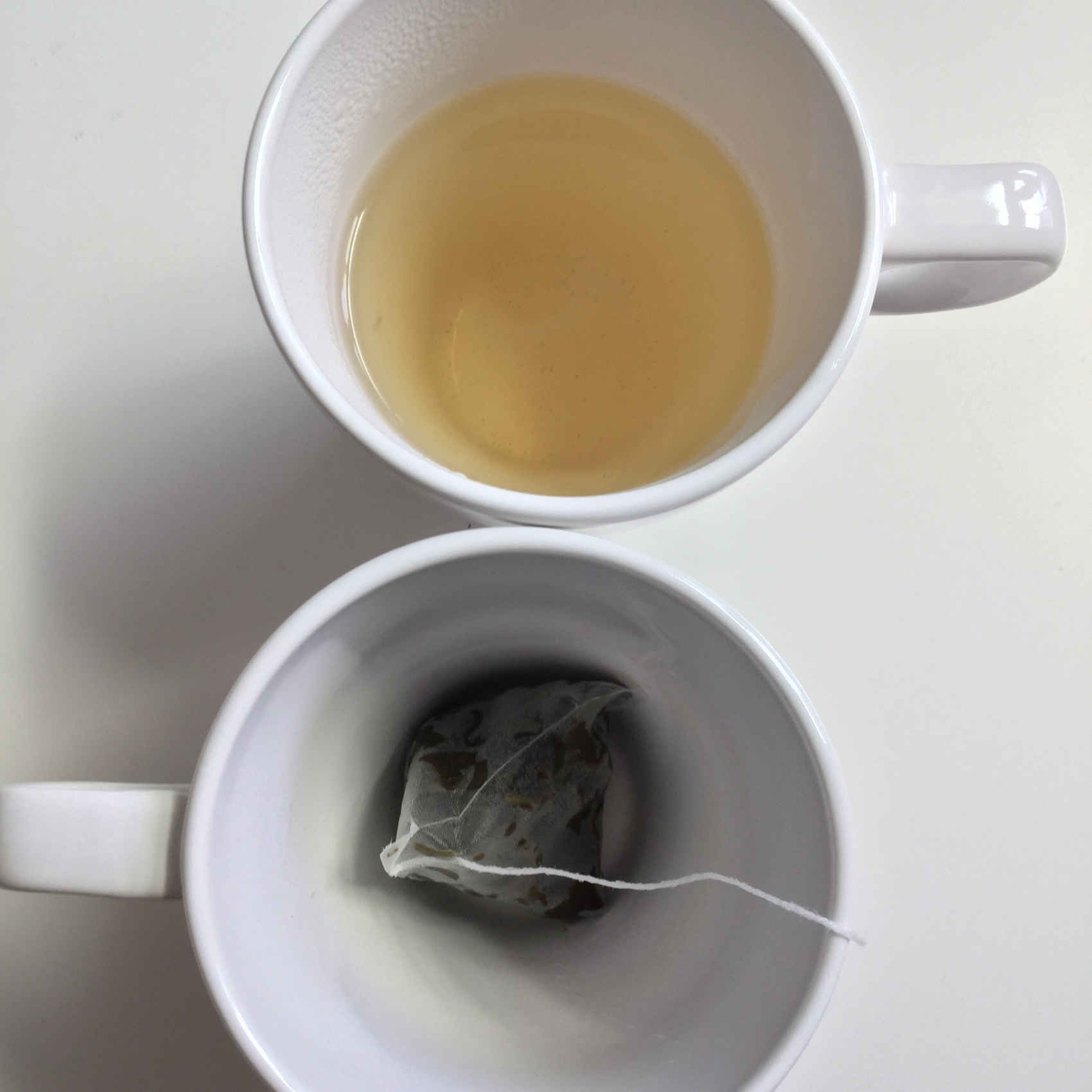
    時間到! 把茶包自馬克杯中拿起, 放入裝置茶包的容器中

    img_0088

    開始享用! 此時App會提示聞香、品嚐、以及餘韻等品飲的要訣! 


    Learn more | 了解更多

    Download App | 下載 App


  • 為了因應現代人忙碌跟快節奏的生活, 我們一直在研究更適合現代人的泡茶方式。

    但這種方式必須保留傳統壺泡/ 蓋杯泡法能泡出來的水平以及特色, 或許能更進一步的, 在茶品的香氣、滋味跟餘韻都能確保之下, 創造出更直覺、更友善的品茶體驗。

    在此向您推薦, 台灣雲谷的馬克杯泡法– 半杯泡法。

    Half cup brewing

    在多年的使用馬克杯泡茶過程中, 常發現, 如果水量減少滋味會變更濃, 這是很合理的, 但為什麼氣味也變得明顯而突出了?

    IMG_0068

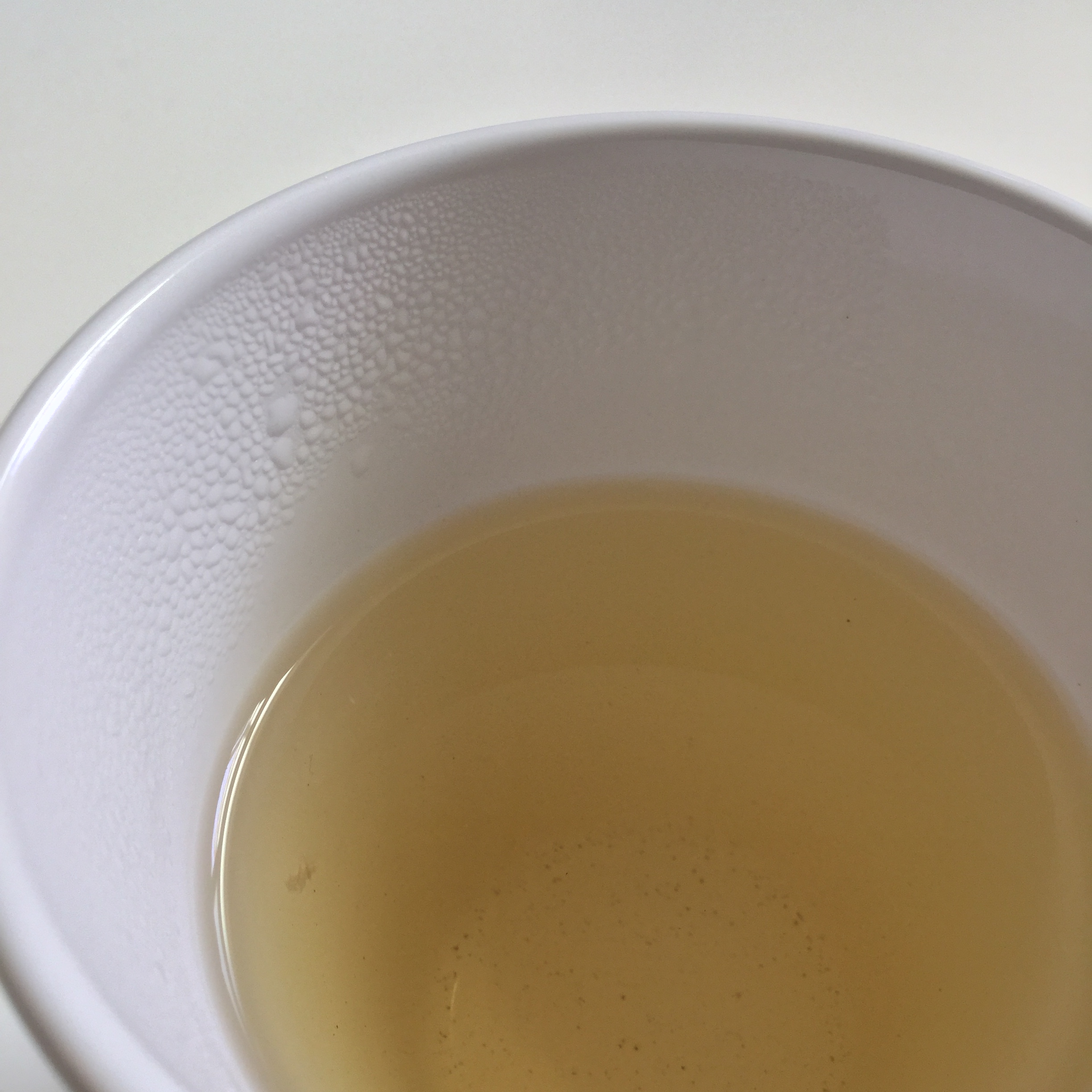
    經過觀察發現, 茶湯的香氣(揮發性物質)隨著熱水的蒸汽上升, 由杯中上升的過程中, 因為馬克杯的杯緣的溫度較低, 所以茶水蒸氣冷凝在馬克杯的杯緣, 變成了茶水珠。

    IMG_0098

    而茶在低溫時的香氣偏向花香、蜜香 (一般我們在壺泡時, 小茶杯杯底的茶香), 加上原本茶水蒸氣的高溫香型, 相當於各種溫度的香氣都同時存在, 這是造就了半杯馬克杯比全滿馬克杯更香的原因之一

    另一個原因是馬克杯杯緣的導引, 香氣都是直線往上, 更容易集中讓使用者聞到, 而全滿的茶水容易潮四面八方擴散, 香氣較不集中。

    這兩個主要的原因, 造就了半杯比較香的特殊現象, 在此分享給您!

    P.S. 實際上沖泡的時候, 不需要特別拘泥於"半杯"這個概念, 大約5-6成滿的水量都是可以的, “半杯"泡法的概念在於幫助聞香, 而茶湯的滋味濃淡主要還是取決於"茶水比"的。


  • 泡茶四要訣: 

    • 茶水比
    • 溫度
    • 器具
    • 時間

    Photo by: NIKOLAY OSMACHKO

    茶水比:


    泡茶時, 茶葉與水的比例, 會顯著的影響茶湯風味, 一般鑑定泡法採取1:50, 而一般自己泡可依照口味濃淡做大概的調整(1:30~ 1:60)

    溫度:


    溫度是一個先決要素, 某些茶需要高溫(95-100度), 而某些茶需要中高溫(80-90度), 更有些茶需要中低溫(60-75度), 溫度太高, 茶葉容易泡出苦味, 溫度太低, 香氣跟滋味又無法發揮, 大致上來說可以分類為

    • 綠茶類: 中低溫(60-75度)
    • 烏龍茶類: 高溫(95-100度)
    • 紅茶類: 高溫(95-100度)
    • 東方美人: 中高溫(80-90度)

    這是大致上的分法, 而實際上每個茶農跟焙茶師的製法不同, 會稍微影響適合沖泡的溫度。

    Photo credit: Mr_Stein via Visual hunt / CC BY-NC-SA

    器具:


    器具是大家感到麻煩的地方, 茶壺、蓋杯之類的需要一整組器材, 也很難在辦公室使用。而馬克杯又不好抓口感, 只能大概泡出茶的特性, 其實器材只跟一個因素最直接相關, 就是降溫效果。

    • 陶壺: 降溫最慢, 適合烏龍茶等不怕燙的茶業
    • 蓋杯: 降溫最快, 適合綠茶、包種茶等怕燙且注重鮮甜、鮮爽的茶業
    • 馬克杯: 一開始降溫快, 後來降溫慢, 不容易泡好茶但卻是最適合辦公室使用的器材, 可採用類似鑑定杯的泡法(類似150cc小馬克杯的杯子)

    Photo credit: 页 景 via VisualHunt / CC BY-NC-ND

    時間:


    時間也是很關鍵的因素, 而大多數的人都是在這個地方感到困惑, 事實上,因台灣茶製法、泡法的種類繁多 對於時間也是各家有各家的堅持。

    相對於此, 在此提出一個簡單的看法, 除了易泡苦的綠茶、易泡澀的紅玉之外, 好的茶葉基本不怕泡久, 可以先採用鑑定杯泡法, 泡3-5分鐘, 再慢慢減少時間, 抓最喜歡的味道。

    <<To be continue>>

  • 茶種 就是茶本身的茶樹品種。


    作法 是經驗累積出來的, 一般說來特定的茶品會有固定的作法, 有時候茶農或製茶師為了創新也會參考其他茶的製法而改變固定的做法( 結果就是更搞不清楚)


    產地 是名氣累積的結果, 某些地方的一款茶受歡迎之後大家習慣以產地稱呼, 或是商家刻意以地名做行銷推廣


    上次介紹了一部分台灣常見的茶, 這次再為大家介紹一些:

    Photo by NIKOLAY OSMACHKO


    凍頂烏龍

    • 初期以產地得名(南投縣鹿谷鄉凍頂山)
    • 其發酵程度在30%左右, 需反覆「布揉製茶」發酵, 且輔以中度以上焙火
    • 香氣多為熟果香或濃花香
    • 茶湯滋味醇厚回甘, 帶明顯焙火韻味
    • 適合散熱慢的茶具(壺)

    三峽碧螺春

    • 以皇帝賜名"碧螺春", 在台灣冠以地名"三峽"以跟中國的碧螺春做區別
    • 經過50年獨自發展, 作法與樹種已與中國碧螺春不同
    • 香氣多為綠豆、海苔香
    • 茶湯碧綠清澈, 鮮活甘甜
    • 不耐熱泡與久泡, 適合散熱快的茶具(蓋杯)

    台灣鐵觀音

    • 以作法而得名, 另用鐵觀音茶樹種製成的稱「正欉鐵觀音」
    • 源自中國安溪鐵觀音, 但經過多年演變, 已與安溪鐵觀音不同
    • 作法為輕萎凋(發酵程度約 15-30 %),後反覆進行焙揉,以形成特殊喉韻(觀音韻)。
    • 香氣多為焙火香、熟果香
    • 茶湯味濃而醇厚,微澀而回甘,略帶果酸味
    • 耐沖泡, 適合散熱慢的茶具(壺)

    紅玉紅茶

    • 以品種得名, 正式名稱為台茶18號, 台灣茶葉改良場於1999年培育出的新茶樹品種
    • 獨特的肉桂香以及薄荷香
    • 條索狀茶
    • 茶湯醇厚而溫潤, 風味獨特而有"台灣香"的美稱
    • 不適合久泡, 容易泡出澀味或過濃

    <<待續>>

  • 台灣茶品項種類不多但很容易混淆, 大部分的人分不清楚的主要的原因是因為這三者的關係不明確也沒有人特別說明:

    • 茶種
    • 作法
    • 產地

    Photo credit: Atibordee_K via VisualHunt / CC BY-ND

    茶種 就是茶本身的茶樹品種。


    作法 是經驗累積出來的, 一般說來特定的茶品會有固定的作法, 有時候茶農或製茶師為了創新也會參考其他茶的製法而改變固定的做法( 結果就是更搞不清楚)


    產地 是名氣累積的結果, 某些地方的一款茶受歡迎之後大家習慣以產地稱呼, 或是商家刻意以地名做行銷推廣


    為了幫助大家更了解台灣茶大致的輪廓, 整理如下:


    包種茶

    • 以作法得名, 發酵程度約為8-12%。
    • 多為條索狀茶
    • 特別重視其香氣, 香氣多為優雅花香型
    • 茶湯甘醇帶活性
    • 適合散熱快的茶具(蓋杯)


    金萱烏龍

    • 以品種得名, 正式名稱為台茶12號,別名金萱27仔,乃由台灣茶葉改良場於1981年培育出的新茶樹品種
    • 球型茶
    • 以牛奶糖香、鳳梨香為主
    • 茶湯多滑潤


    翠玉烏龍

    • 以品種得名, 正式名稱為台茶13號
    • 球型茶
    • 以野薑花香、桂花香為主
    • 茶湯多甘韻濃厚

    高山烏龍

    • 以海拔產地得名, 以海拔1,000公尺以上茶園所產製的烏龍茶為高山烏龍
    • 球型茶
    • 香氣多優雅花香型
    • 茶湯滋味濃厚、富含礦物質而滋味鮮活
    • 耐沖泡


    東方美人

    • 以培育法以及作法得名, 東方美人茶獨特的熟果香和蜂蜜香氣,來自小綠葉蟬的叮咬而產生, 稱為「著涎」
    • 又名膨風茶、白毫烏龍
    • 條索狀茶
    • 香氣多為熟果香以及帶有「著涎」風味的蜜香
    • 茶湯滋味特殊, 發酵較重而滋味濃厚
    • 產量少
    • 適合散熱快的茶具(蓋杯)

    <<待續>>

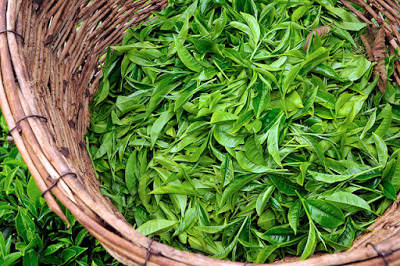
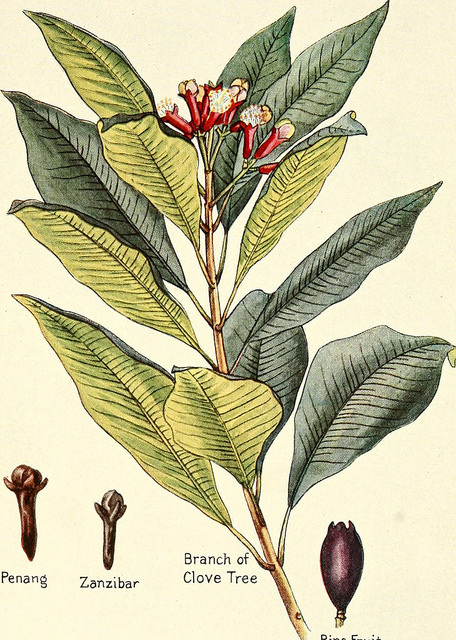
  • 一般概念上的茶乃是由各種茶樹的嫩芽、葉經過各種不同的製造方式, 而製作成可供沖泡的茶葉。

    (L)Photo credit: Internet Archive Book Images via Visual Hunt / No known copyright restrictions

    (R)Photo credit: CIAT International Center for Tropical Agriculture via Visualhunt / CC BY-SA

    中國的主要分類方式是由茶沖泡出來的顏色分類, 有綠茶、黃茶、白茶、青茶( 又稱烏龍茶)、紅茶、黑茶( 包含普洱茶)等。


    而世界通用的分類則是依照茶葉製作過程中的發酵程度而分成

    • 不發酵茶( 如綠茶、黃茶)
    • 半發酵茶( 如白茶、烏龍茶)
    • 全發酵茶( 如紅茶、普洱茶)


    其顏色的不同正是因為發酵過程中, 茶葉中的主要酚類化合物( 如兒茶素等)經過製作過程中的催化而產生不同的酚類聚合物( 如茶黃質、茶紅質), 故發酵程度愈高的茶沖泡後愈容易呈現紅色( 如紅茶、東方美人茶), 而發酵程度中間的容易呈現黃色( 如烏龍茶), 發酵程度低的則是茶葉原本的綠色( 如綠茶)。

    Photo credit: Mr Wabu via Visual hunt / CC BY-SA

    Photo credit: Akuppa via Visual Hunt / CC BY


    ( 註: 大部分茶葉的發酵不同於一般釀酒/製作乳酪的發酵是由微生物的作用, 一般茶的發酵主要是茶葉在製作過程中的酵素作用, 而普洱茶是例外, 其是茶製作成半成品後經過微生物與環境的交互作用而產生的)