In a narrow sense, tea refers to dried tea leaves made from the leaves of the tea plant, processed through oxidation or roasting.
Types of Tea Based on Oxidation Levels
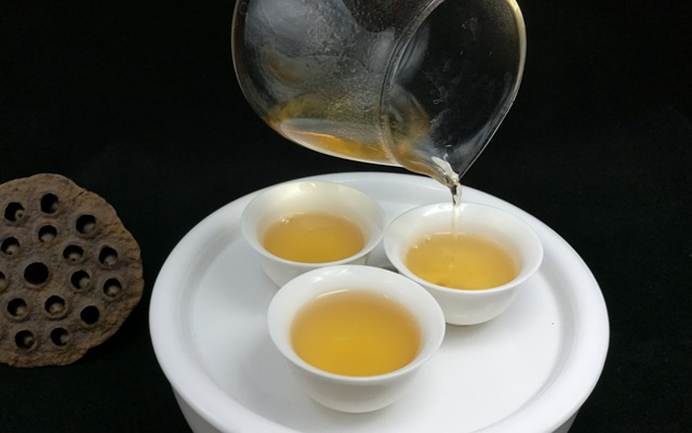
- Qing (or Greenish) Tea
- Oxidation Level: Semi-oxidized (18–60%)
- Characteristics: Tea liquor ranges from golden to brown. Commonly referred to as “oolong tea," this category emphasizes a balance between aroma and roasting.
- Common Taiwanese Varieties: Pouchong, High Mountain Oolong, Dong Ding Oolong, Jin Xuan Oolong, Four Seasons Spring, Muzha Tieguanyin.
- Common Chinese Varieties: Wuyi Rock Tea (Da Hong Pao, Shui Xian, Rou Gui, Bai Ji Guan), Anxi Tieguanyin.
- Black Tea
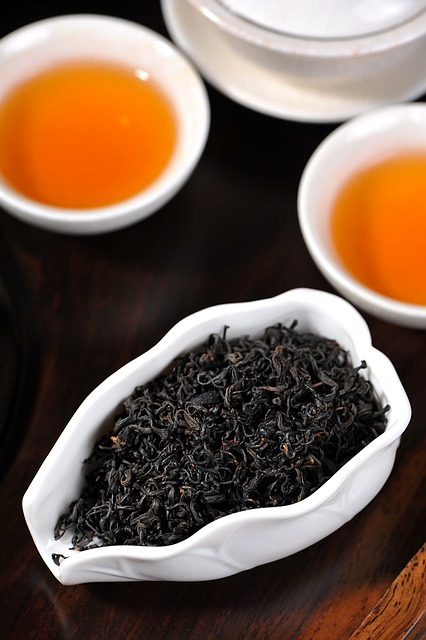
- Oxidation Level: Fully oxidized (100%)
- Characteristics: Tea liquor is deep red, focusing on rich aroma and robust taste.
- Common Taiwanese Varieties: Taiwanese Assam, Ruby Red (Hong Yu).
- Green Tea
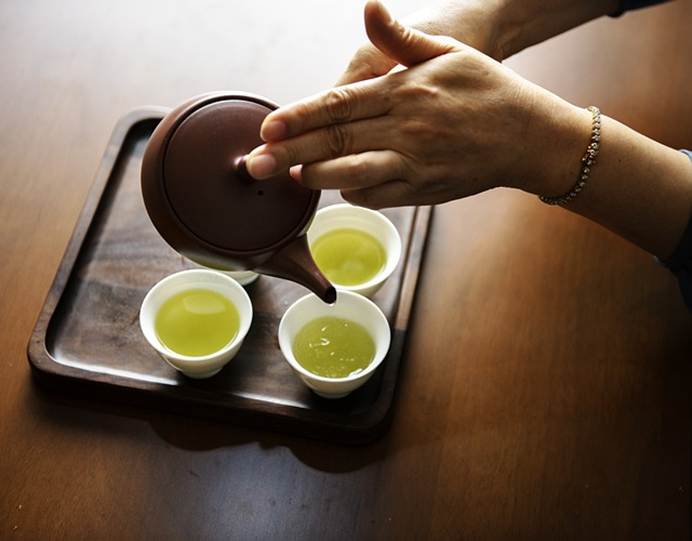
- Oxidation Level: Non-oxidized (0%)
- Characteristics: Processed by de-enzyming (fixation) without roasting. Tea liquor is bright green to yellow-green, emphasizing “fresh sweetness."
- Common Taiwanese Varieties: Biluochun.
- White Tea
- Oxidation Level: Slightly oxidized
- Characteristics: Simplistic production process involving natural withering and drying. White tea preserves the original flavor and nutrients of tea leaves, with visible silvery fuzz on the dry leaves.
- Common Chinese Varieties: Silver Needle (Bai Hao Yin Zhen), White Peony (Bai Mu Dan).
- Yellow Tea
- Oxidation Level: Lightly oxidized (10–20%)
- Characteristics: Undergoes a unique “yellowing" process that enhances the tea’s mellow flavor and delicate aroma. Tea liquor is a distinctive golden hue.
- Common Chinese Varieties: Junshan Silver Needle, Mengding Yellow Bud.
- Dark Tea (Hei Cha)
- Process: Involves fixation, rolling, piling (artificial fermentation), and drying.
- Characteristics: Tea leaves are dark, with liquor ranging from reddish-brown to amber. The flavor is rich, smooth, and sweet with a distinctive aged aroma.
- Representative Varieties: Pu’er tea, Hunan Dark Tea (Fuzhuan, Liubao Tea).
Types of Tea Based on Roasting Levels
- Raw Tea
- Tea that has not undergone roasting.
- Ripe or Half-Ripe Tea
- Tea that has been roasted, with roasting intensity often described in terms of “degrees of fire."
Exception: Pu’er Tea
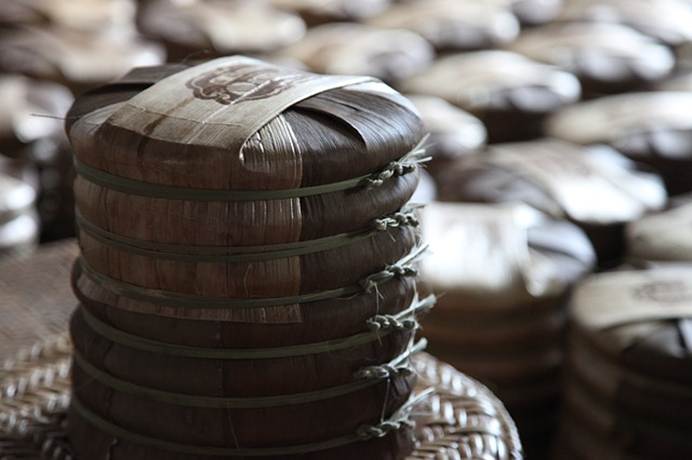
For Pu’er, the terms raw and ripe refer to whether the tea has undergone “pile fermentation":
- Raw Pu’er: Unfermented Pu’er tea.
- Ripe Pu’er: Fermented through pile fermentation.
 Cloudy Valley, Formosa tea
發表留言