Introduction
Tea Types
The term “tea type" refers to the variety of the tea plant itself.
Processing Methods
Processing methods are developed through experience. Generally, specific teas have fixed production techniques. However, tea farmers or tea masters sometimes innovate by borrowing techniques from other methods, resulting in variations that make categorization more complex.
Production Regions
The reputation of production regions accumulates over time. Certain teas become popular due to their origins, and consumers begin associating the tea with its production region. Merchants also use regional names for marketing purposes.
Last time, we introduced some common Taiwanese teas. This time, we will explore more:
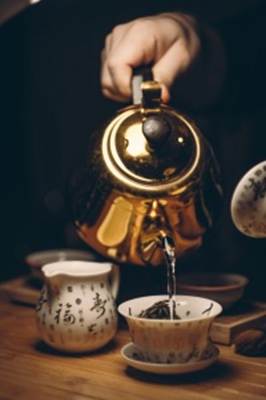
Photo by NIKOLAY OSMACHKO
Dong Ding Oolong
- Initially named after its production region (Dong Ding Mountain, Lugu Township, Nantou County).
- The oxidation level is around 30%. The tea requires repeated “cloth rolling” during processing and medium-to-heavy roasting.
- The aroma typically features ripe fruit notes or strong floral fragrances.
- The tea liquor is rich, sweet, and full-bodied, with a pronounced roasted flavor.
- Best brewed in tea ware that retains heat well (e.g., teapots).
Sanxia Bi Luo Chun
- Named “Bi Luo Chun" (Green Snail Spring) by imperial decree, with “Sanxia" added to distinguish it from its Chinese counterpart.
- Over 50 years of independent development has resulted in distinct production methods and tea varieties in Taiwan.
- The aroma typically features notes of mung beans and seaweed.
- The tea liquor is bright green, clear, fresh, and sweet.
- Not suitable for high-temperature or prolonged brewing; best brewed in tea ware that dissipates heat quickly (e.g., gaiwan).
Taiwan Tie Guan Yin
- Named after its processing method, with tea made from Tie Guan Yin tea varieties referred to as “Zheng Cong Tie Guan Yin."
- Originates from China’s Anxi Tie Guan Yin but has evolved into a distinctly Taiwanese style.
- Processing involves light withering (oxidation level around 15–30%), followed by repeated roasting and rolling to create a unique throat sensation known as “Guan Yin Yun."
- The aroma often features roasted notes and ripe fruit fragrances.
- The tea liquor is robust and full-bodied, slightly astringent with a lingering sweetness, and may have a hint of fruity acidity.
- Highly durable for multiple brews, best brewed in tea ware that retains heat well (e.g., teapots).
Ruby Red Tea
- Named after its variety, officially known as Taiwan Tea No. 18, bred by the Taiwan Tea Research and Extension Station in 1999.
- Known for its unique cinnamon and mint fragrance.
- Produced as strip-shaped tea.
- The tea liquor is rich, smooth, and full-bodied, with a distinctive flavor often called “Taiwan fragrance."
- Not suitable for prolonged brewing, as it may become overly astringent or too strong.
(To be continued…)
 Cloudy Valley, Formosa tea
發表留言